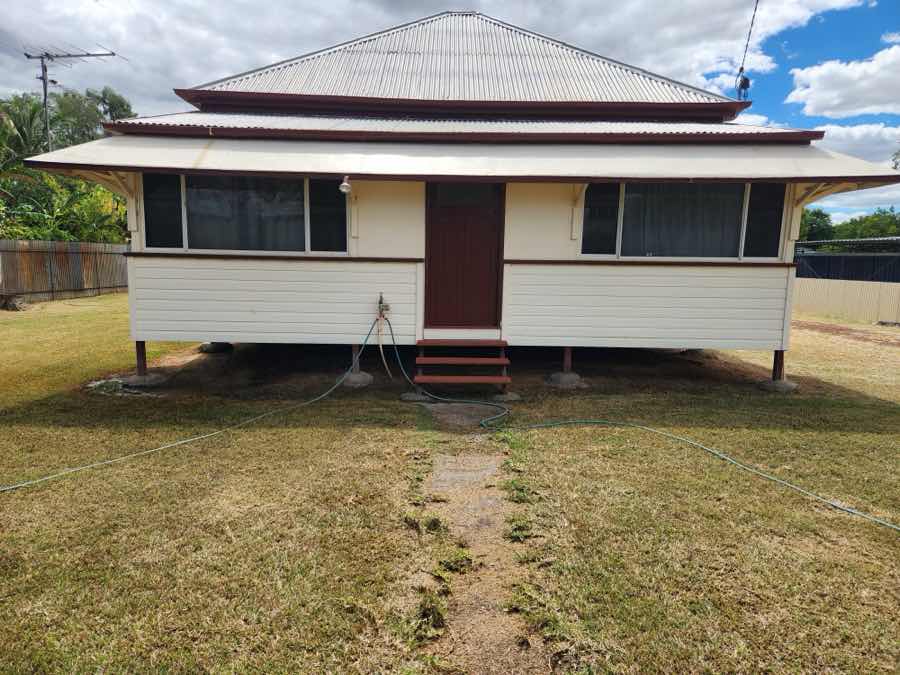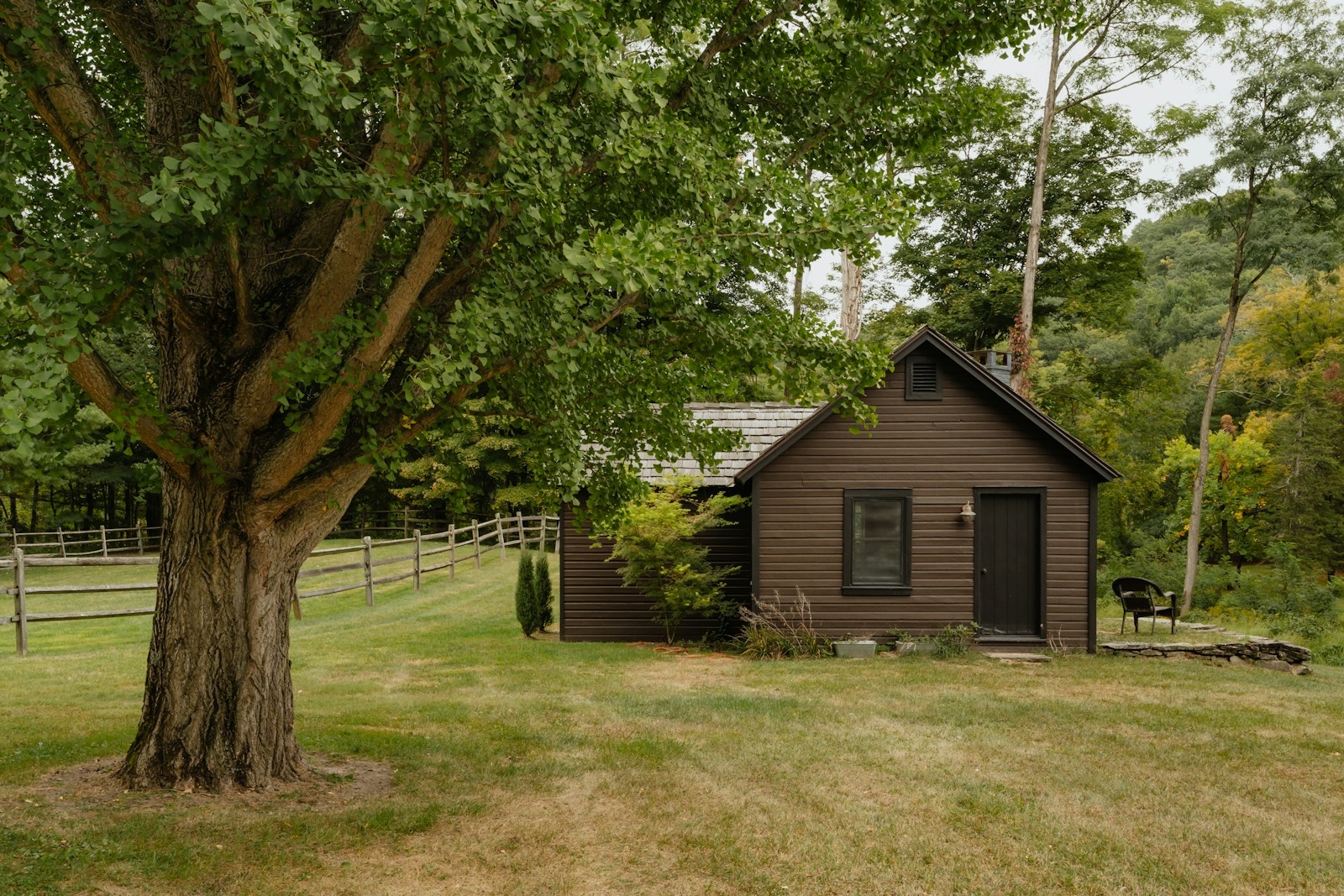
Tiny homes are becoming more popular for a reason
Over the last few years, tiny homes have gone from being a niche idea to something more people are genuinely considering. For some, it’s about affordability. For others, it’s the appeal of simpler living, less maintenance, and having more flexibility with how they use their land.
In regional Queensland especially, tiny homes are starting to attract attention from people wanting a quieter lifestyle, extra space for family, or even a more affordable way to live on their own property.
But one thing many people don’t realise is that building or placing a tiny home is not always as straightforward as it looks online.
The rules can be more complicated than expected
A lot of tiny home content online makes it seem easy to buy one, place it on land, and move straight in. In reality, there are still rules around how tiny homes can be used in Queensland, and those rules can vary depending on the property and local council.
According to the Queensland Government, some tiny homes may be treated as permanent dwellings, while others may fall under different categories depending on whether they are fixed to land, movable, or used as secondary accommodation.
That means things like approvals, plumbing, drainage, and building requirements may still apply, even if the home itself is small.
The Queensland Government has a helpful guide explaining how tiny homes are assessed and regulated across the state.
Why it’s important to check with your local council first
One of the biggest mistakes people make is assuming the rules are the same everywhere. In reality, what is allowed on one property may not automatically be allowed on another.
This is especially important in regional areas where zoning, access to utilities, and land use rules can differ from town to town.
Before committing to a tiny home, it’s worth taking the time to ask questions like:
- Is the land zoned for residential living?
- Will council approval be needed?
- Can the property support plumbing and waste systems?
- Will the tiny home be considered permanent accommodation?
These conversations might not be the exciting part of the process, but they can save a lot of stress later on.
Tiny homes still need practical planning
Even if a tiny home suits your lifestyle, there are still everyday practicalities to think about. Things like internet access, power, water supply, road access, and protection from weather conditions all play a role in how comfortable the setup will actually be long term.
This is particularly relevant in regional Queensland, where larger blocks and rural properties can come with different infrastructure challenges compared to suburban areas.
For people considering purchasing land before building, our blog on Why Vacant Blocks are Attracting Investors also explores why more buyers are looking at land opportunities across regional Queensland.
Tiny homes can be a great option when approached properly
For the right person and the right property, tiny homes can absolutely work well. They can offer flexibility, lower upkeep, and a different way of living that appeals to many people wanting a lifestyle change.
The key is making sure the decision is based on realistic planning, not just inspiration from social media or television shows. Understanding the rules early, speaking with the right professionals, and doing proper research can make the process far smoother.
Final thoughts
Tiny homes are becoming part of the broader conversation around housing and lifestyle in Queensland, particularly in regional areas where space and flexibility are often more accessible.
Like any property decision, it helps to go in informed. Taking the time to understand council requirements, land suitability, and practical considerations can help you avoid unexpected surprises later.
If you’re considering purchasing land or exploring property opportunities in Blackall, Tambo, or surrounding areas, the team at David Hardie Real Estate.
We are happy to help 😊