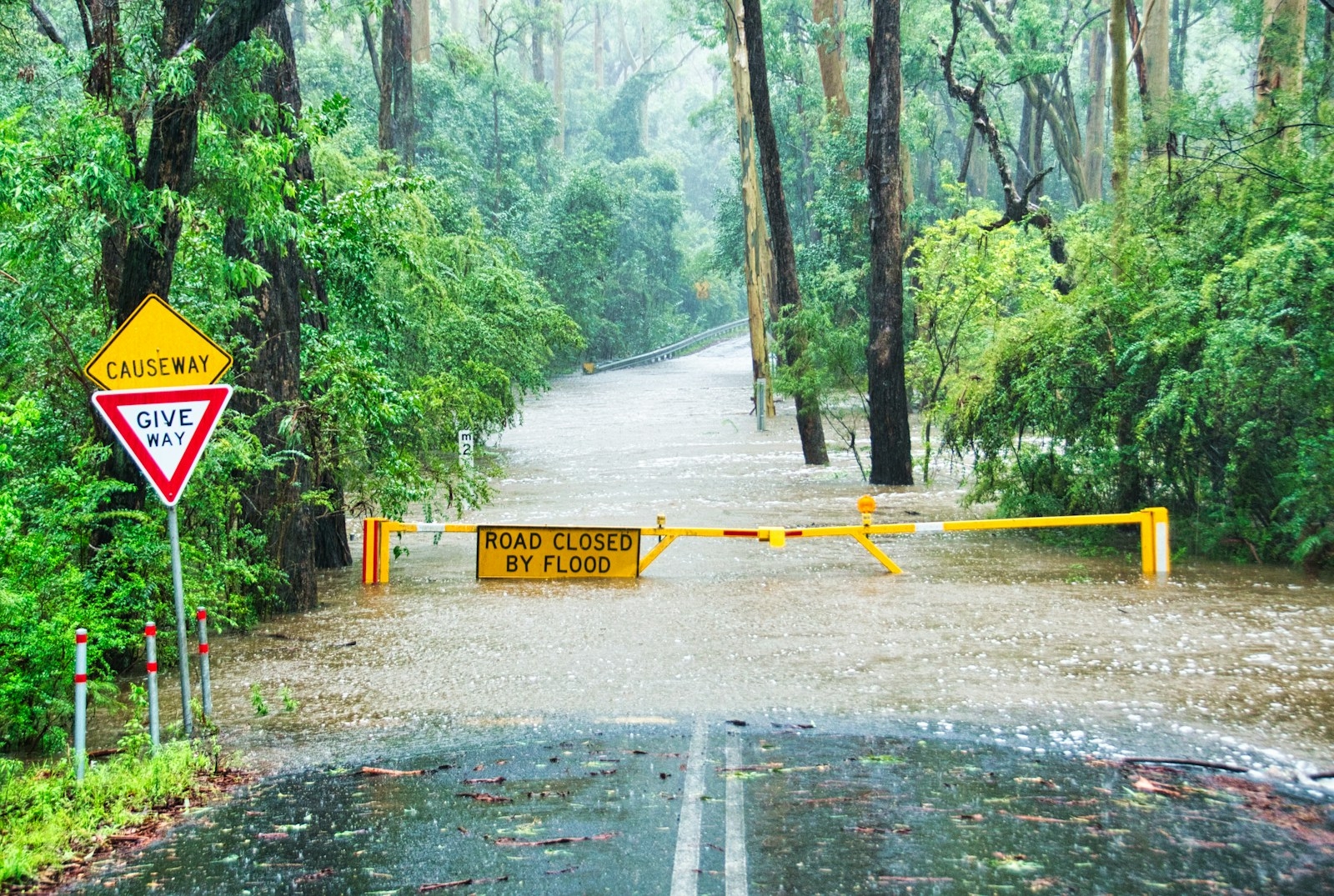
Central West Queensland is one of Australia’s most rewarding regions to buy property – but it comes with weather and climate considerations that buyers need to understand before they commit. Flooding, extreme heat, and seasonal conditions are part of life in the outback, and knowing how to assess risk before you buy can save you significant stress and expense down the track.
This guide covers the key questions to ask and the tools available to help you make a well-informed decision.
Why Weather Risk Matters in Regional Queensland
Towns like Blackall, Tambo, Barcaldine, Charleville, and Longreach sit in a region that experiences significant rainfall variability. In wet seasons, the Barcoo, Thomson, and Warrego river systems can flood low-lying areas substantially. In dry years, the same region can experience extreme heat and prolonged drought conditions.
Neither of these facts should put you off buying in the region – millions of Australians live and invest in flood-affected and weather-exposed areas. What matters is understanding the specific risk profile of the property you are considering, so you can make an informed decision about price, insurance, and long-term ownership.
How to Check Flood Risk Before You Buy
1. Queensland Flood Check Property Report
The Queensland Government offers a free Flood Check Property Report through the Department of Resources. Enter a property address and it will show you whether the land is within a mapped flood plain and provide indicative flood levels.
This is one of the first checks any buyer should complete – before making an offer.
2. Check with the Local Council
Local councils in Central West Queensland maintain flood mapping and can advise on flood history for specific properties and streets. Murweh Shire (Charleville), Blackall-Tambo Regional Council, Barcaldine Regional Council, and Longreach Regional Council are the relevant councils for most properties in this region.
Ask the council planning department whether the property has a flood overlay and whether any development restrictions apply. This information is also typically disclosed in a property contract through a Form 1 disclosure statement in Queensland.
3. Ask Locals and Your Real Estate Agent
No flood map replaces local knowledge. Ask your agent directly whether the property or street has experienced flooding, and when. A good local agent will be honest with you – and the history of a property matters as much as its mapped flood classification.
4. Look at the Land Itself
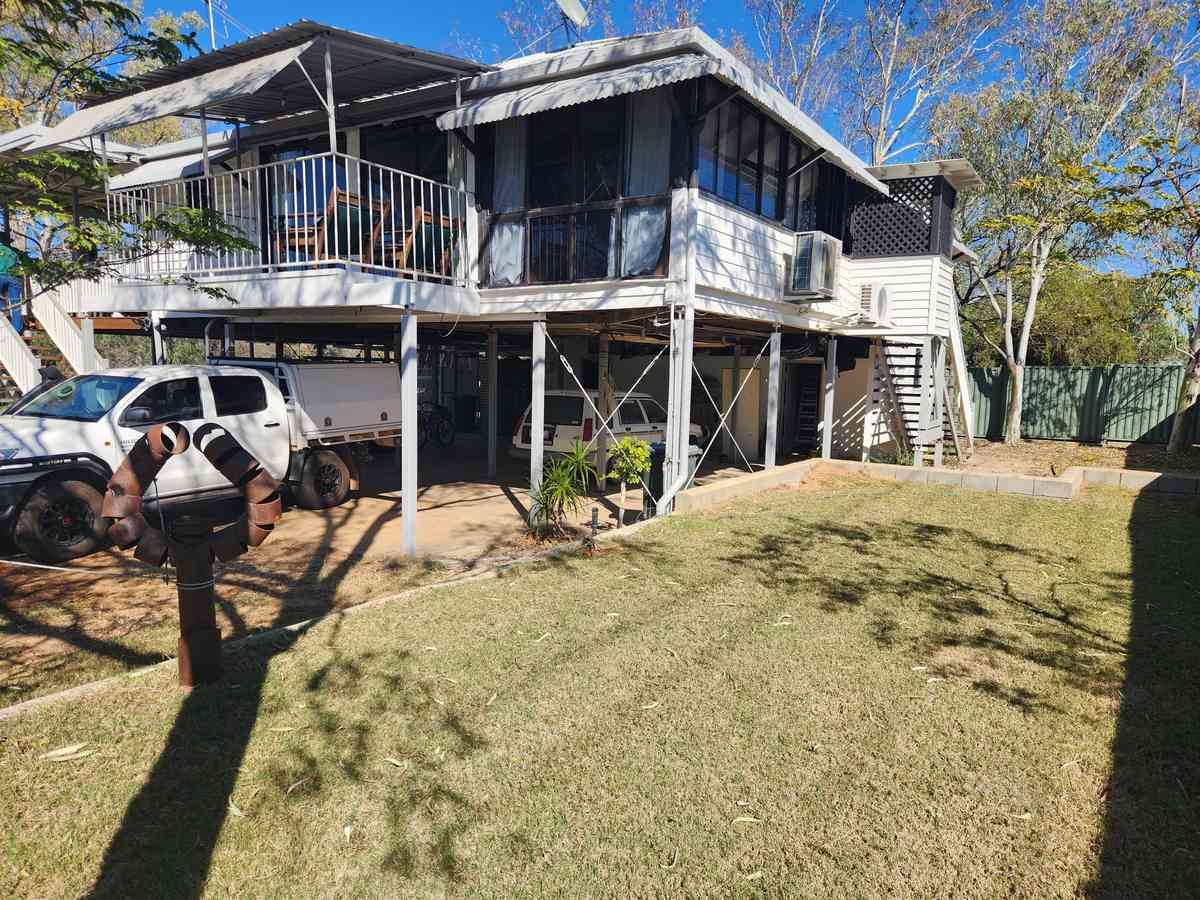
When inspecting a property, look for signs of past water ingress: water staining on walls or stumps, mineral deposits around the base of the house, soil erosion, or unusual landscaping near the foundation. Properties on elevated ground or on the high side of a street carry lower flood risk than those in low-lying positions.
What to Ask About Insurance
One of the most important steps when buying in a flood-prone area is to check insurance availability and cost before you exchange contracts – not after.
Key questions to ask insurers:
- Is flood cover available for this property, and at what premium?
- What is the excess for a flood claim?
- Are there any exclusions based on the flood history of the property?
- Does the policy cover actions of water (stormwater and riverine flooding) or only one type?
In some parts of regional Queensland, flood insurance premiums can be significant. Factor this into your ownership costs before you commit.
Heat and Extreme Weather Considerations
Central West Queensland experiences some of Australia’s highest summer temperatures, regularly exceeding 40 degrees Celsius. When assessing a property, consider:
- Cooling systems: Are there split system air conditioners or evaporative cooling in the main living areas and bedrooms? In this climate, climate control is not a luxury – it is a necessity.
- Roof condition and insulation: Older homes with uninsulated roofs can be difficult and expensive to cool. Check the roof space during a building inspection.
- Orientation and shade: Properties with covered verandas, established trees, or east-west orientation manage heat better than those fully exposed to the western sun.
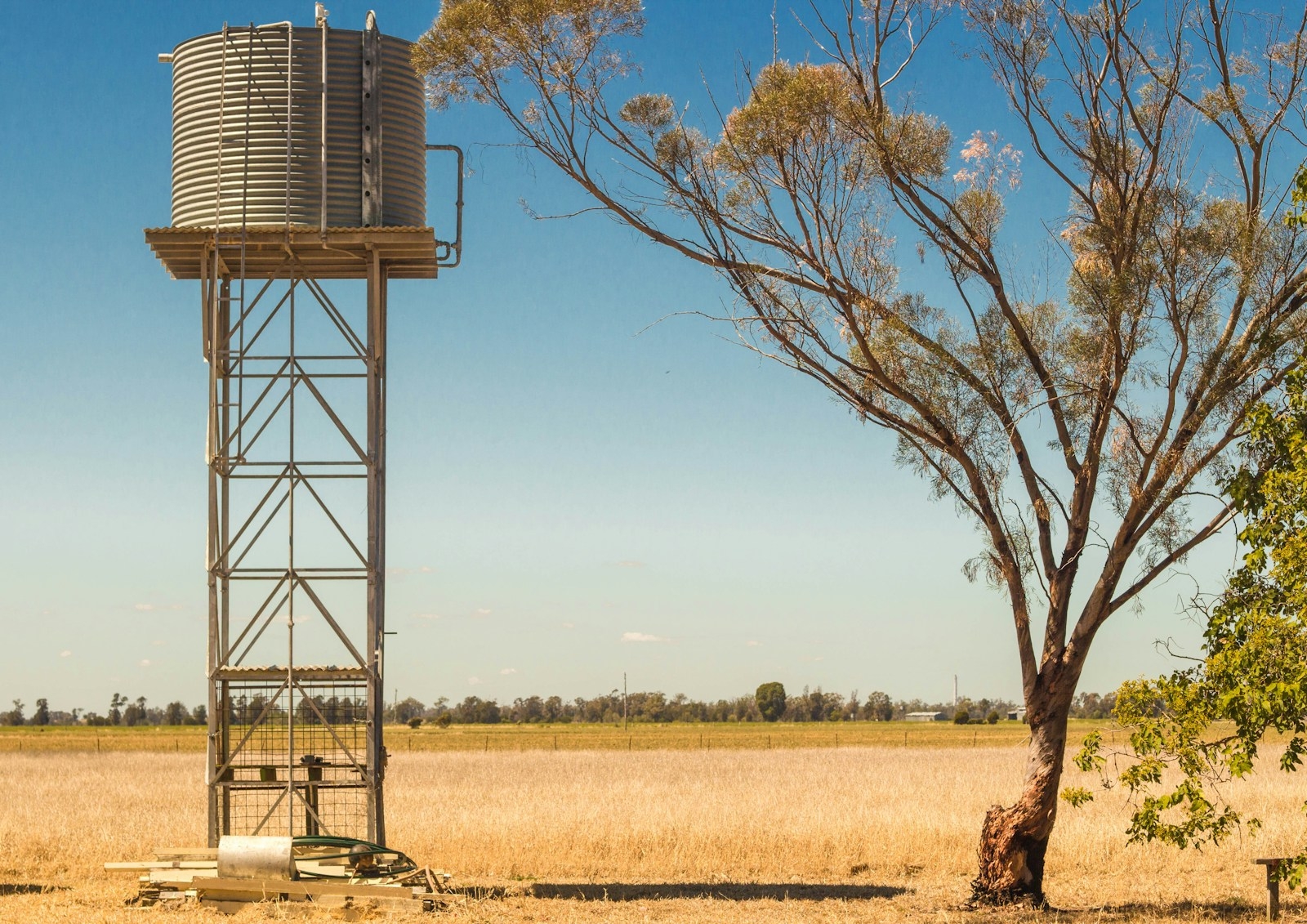
- Water supply: Rainwater tanks and reliable water connections are important in a region that can experience extended dry periods.
Building and Pest Inspections Are Essential
A thorough building and pest inspection is important for any property purchase – but it is especially important in regional Queensland, where older homes on timber stumps may have been exposed to decades of weather variability. An inspector experienced in regional properties will know what to look for: subfloor moisture, termite damage in stumps and bearers, roof sheeting condition, and evidence of past flooding.
Do not skip this step, and do not use the cheapest inspector you can find. A good inspection report can save you tens of thousands of dollars.
The Bottom Line
Flood and weather risk in Central West Queensland is manageable – and for the vast majority of properties in the region, it does not present a barrier to ownership or investment. The key is doing your homework before you buy, so there are no surprises after settlement.
At David Hardie Real Estate, we know this region and its properties well. If you have questions about a specific property or street, we are happy to share what we know and help you find the right information.
Call David on 0427 575 974 or email info@davidhardierealestate.com.au
We are here to help!