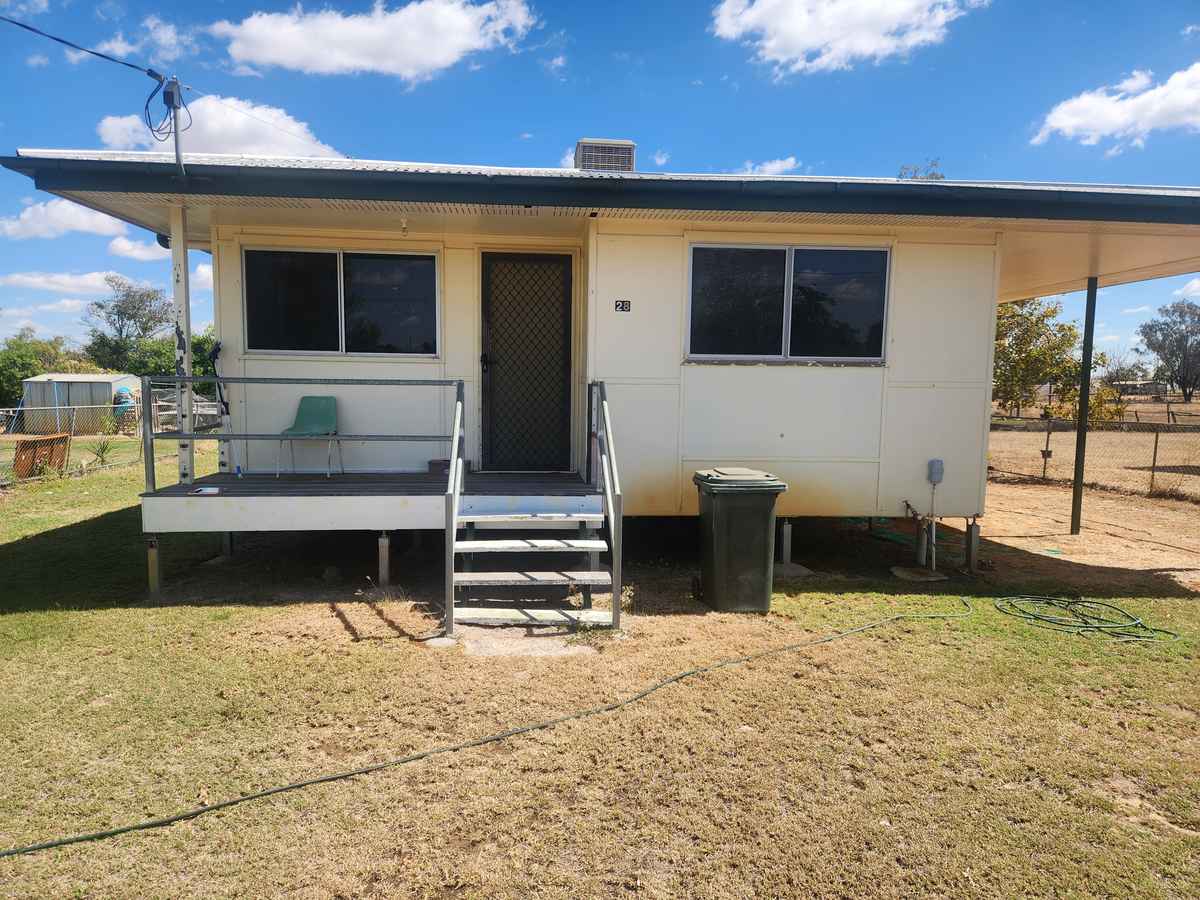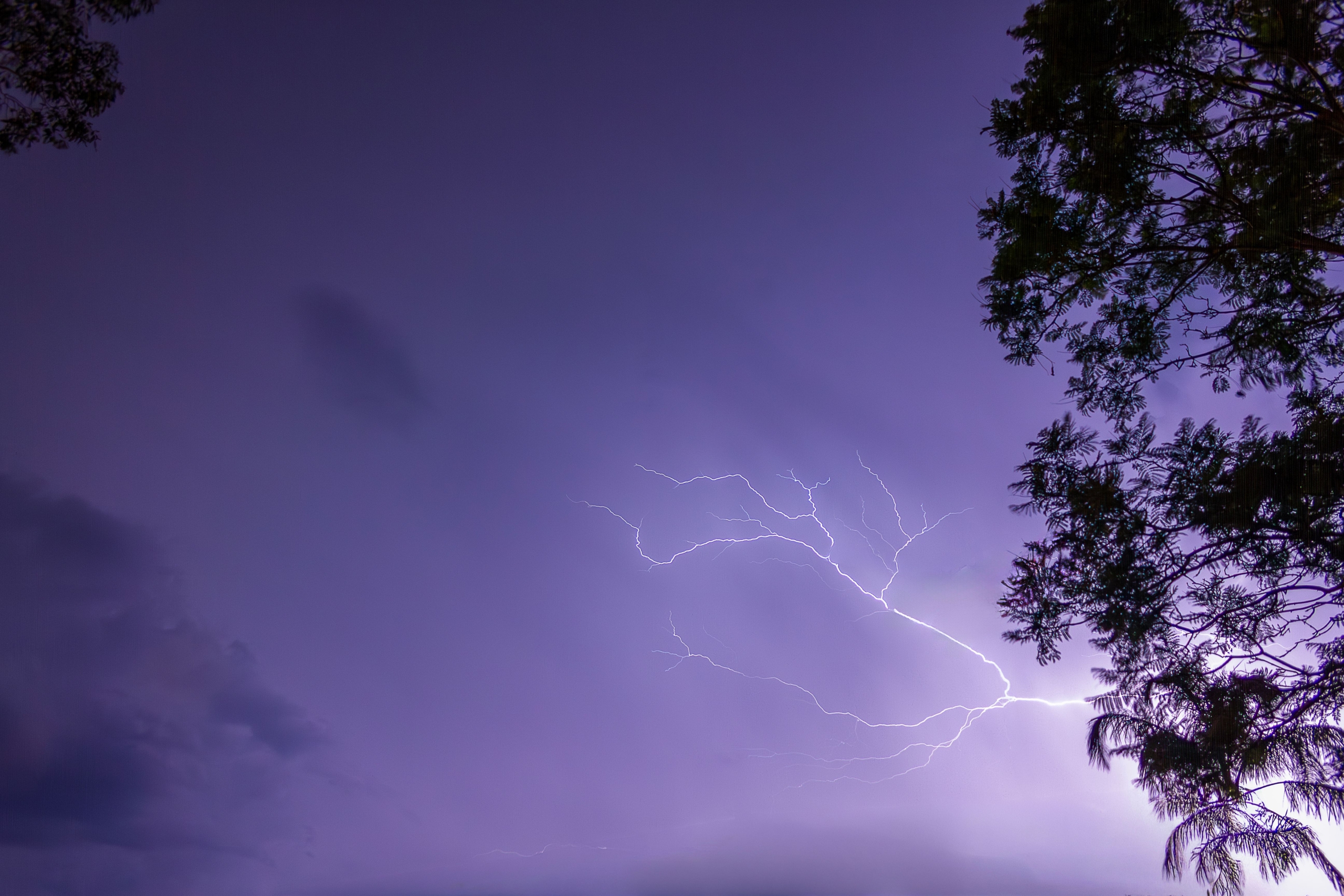
Queensland’s storm season is on its way, and for homeowners in regional Central West Queensland, it pays to be ready well before the first big storm rolls in. While the Central West doesn’t always see the dramatic cyclone activity of the coast, the region is no stranger to intense thunderstorms, flash flooding, strong winds, and hail – all of which can cause real damage to homes and properties if you’re not prepared.
Storm season typically runs from October through to April, with the most active period often falling between November and March. That means now – late August and into September – is the ideal time to get your home ready. Here’s a practical checklist for homeowners in regional Queensland.
1. Inspect and Clean Your Gutters and Downpipes
Blocked gutters are one of the most common causes of water damage during heavy rain. Over the dry season, leaves, dust, debris, and nesting materials from birds and insects can build up significantly in gutters and downpipes.
- Clear out all debris from gutters and flush downpipes with water to confirm they’re flowing freely
- Check for rust, cracks, or sagging sections that may need repair or replacement
- Ensure downpipes are directing water well away from the house foundations
- If you have leaf guards installed, check they’re clear and not causing their own blockages
For properties with high or difficult-to-access gutters, consider hiring a professional to carry out the clean rather than risking a fall from a ladder.
2. Check Your Roof
Your roof is your first line of defence against storms, so it’s worth giving it a proper inspection before the season begins. You don’t need to get up on the roof yourself – a visual inspection from the ground with binoculars can reveal obvious issues, but a qualified roofer will catch the smaller ones.
Look out for:
- Loose, cracked, or missing roof sheeting or tiles
- Rust spots or holes in metal roofing
- Loose or damaged flashing around vents, skylights, and chimneys
- Any visible gaps or areas where wind could get underneath the roof
In regional Queensland, older homes – particularly those with corrugated iron roofing – may have fixings that have worked loose over years of temperature changes. A roofer can re-secure loose sheets and replace corroded fasteners before storm season hits.
3. Review Your Rainwater Tanks and Drainage
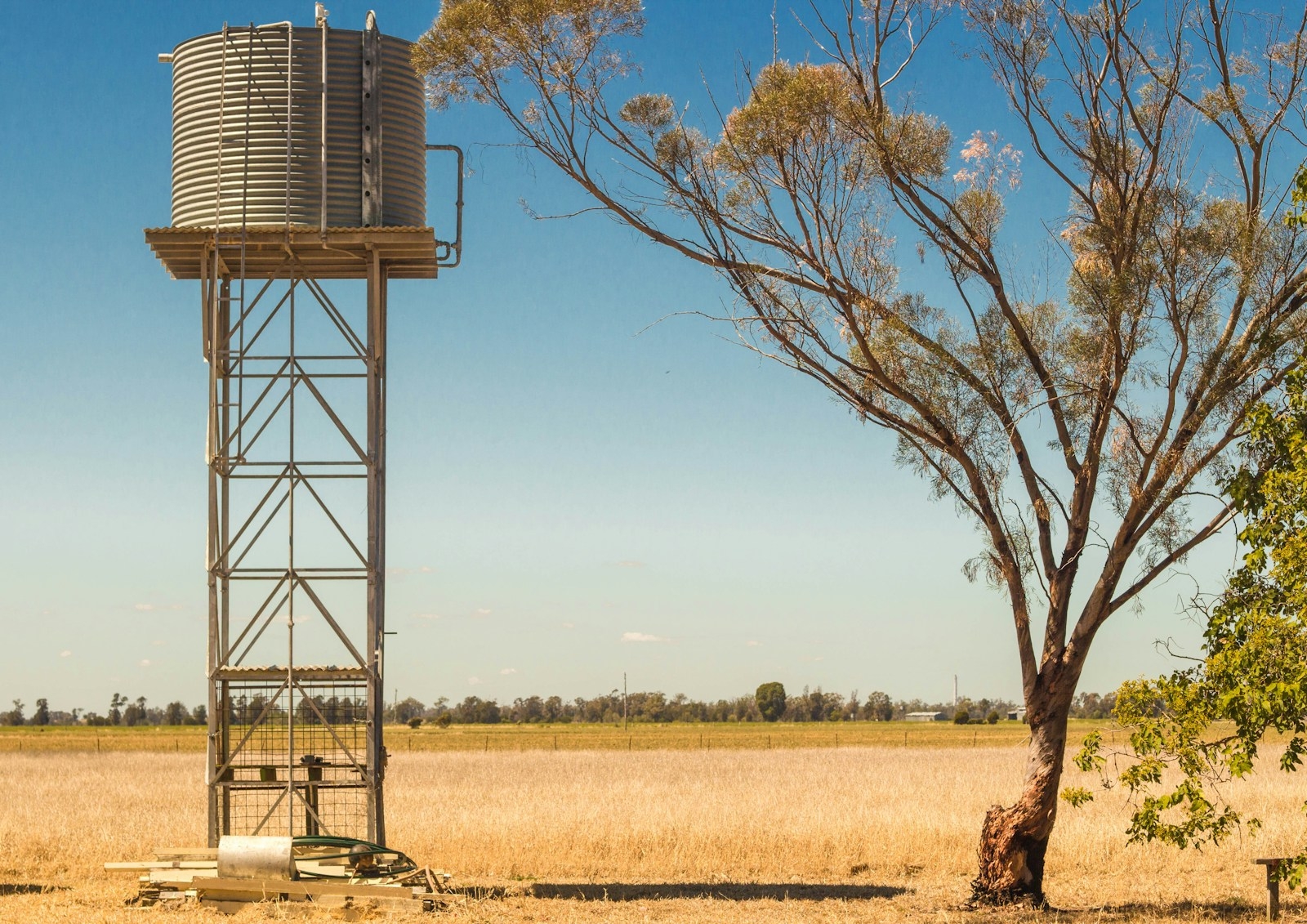
Storm season home preparation in Queensland wouldn’t be complete without checking your rainwater system. If your property relies on rainwater tanks for household water, a big storm is an opportunity to replenish your supply – but only if the system is clean and ready.
- Check tank inlet screens are clear and in place to prevent debris and mosquito access
- Inspect tank connections and overflow points for blockages
- Check the first-flush diverter is working correctly if you have one installed
- Clear any grass or debris from around tank bases to reduce pests and improve drainage
Also check that stormwater drainage around your home and sheds is clear and that water has somewhere to flow without pooling against walls or foundations.
4. Secure Outdoor Furniture, Equipment and Structures
Wind is often underestimated during Queensland storms. Items left unsecured in yards and paddocks can become dangerous projectiles in high winds, causing damage to buildings, vehicles, and neighbouring properties.
- Store outdoor furniture inside a shed or garage when storms are forecast
- Anchor shade structures, gazebos, and portable sheds – or take them down if they can’t be secured
- Check that all shed doors are fastening properly and won’t blow open in high wind
- Secure or store trampoline nets and trampolines, which are particularly vulnerable to wind
- Check that any machinery left in paddocks is parked clear of trees and power lines
5. Trim Trees Around Your Home
Overhanging branches and dead wood pose a serious risk during storms. A branch brought down by wind can cause major damage to roofing, vehicles, fencing, and people.
- Trim back branches that overhang your roof or are within falling distance of the house
- Remove any dead branches from trees near the home – these are the most likely to break in wind
- Check for trees that show signs of disease, hollow sections, or damage – these may be at higher risk of falling in a storm
- If in doubt about a large tree, consult a qualified arborist
Keep in mind that vegetation management rules apply to native trees in Queensland. For significant trees, it’s worth checking with your local council before any major removal work.
6. Check Your Insurance Coverage
Before storm season, it’s a good idea to review your home and contents insurance to make sure your coverage is current and adequate. Many homeowners don’t realise their policy has gaps until they need to make a claim.
- Confirm your policy covers storm, flood, and hail damage – not all policies automatically include all three
- Check the replacement value listed for your home and contents is still accurate – building costs have changed significantly in recent years
- Note any exclusions that might apply to outbuildings, sheds, or fencing
- Keep digital copies of your policy documents and emergency contact numbers somewhere easy to access
7. Prepare an Emergency Kit
In regional Queensland, power outages during storms can last hours or even days, and roads can become cut off after heavy rain. Having a basic emergency kit ready means you’re not scrambling in the middle of a storm.
A basic household emergency kit should include:
- Torches and spare batteries (or a rechargeable torch kept topped up)
- A battery-powered or hand-crank radio for emergency broadcasts
- Enough drinking water for at least three days (or a full tank)
- Non-perishable food supplies
- A first aid kit that’s stocked and within use-by dates
- A list of emergency contacts and important documents stored in a waterproof container or bag
- A portable phone charger or power bank
Stay Informed During Storm Season
Queensland Fire and Emergency Services (QFES) and the Bureau of Meteorology (BOM) provide up-to-date warnings and alerts throughout storm season. Sign up for local alerts, save the BOM app on your phone, and monitor conditions when weather is forecast to deteriorate.
Preparation is always easier and cheaper than repair. Taking a few hours now to work through this checklist can make a real difference when the season gets going.
If you’re looking to buy or sell in Central West Queensland, contact David Hardie on 0427 575 974 or browse our current listings at davidhardierealestate.com.au.