Buying a rural block in Central West Queensland is an exciting prospect – whether you’re chasing a lifestyle change, planning to run cattle, or simply looking for a quiet piece of land to build on. But purchasing rural or semi-rural land is a very different process to buying a house in town, and there are several important factors to check before you put pen to paper.
At David Hardie Real Estate, we work with buyers across Blackall, Tambo, Barcaldine, Augathella and the wider Central West region every day. Here’s what we recommend every buyer considers when looking at a rural block in this part of Queensland.
1. Water: The Most Important Factor When Buying a Rural Block in Queensland
In Central West Queensland, water is everything. Before anything else, you need to understand exactly what water is available on a rural block – and whether it’s reliable year-round.
Key questions to ask include:
- Is there a bore on the property? Has it been tested recently? What is the flow rate and water quality?
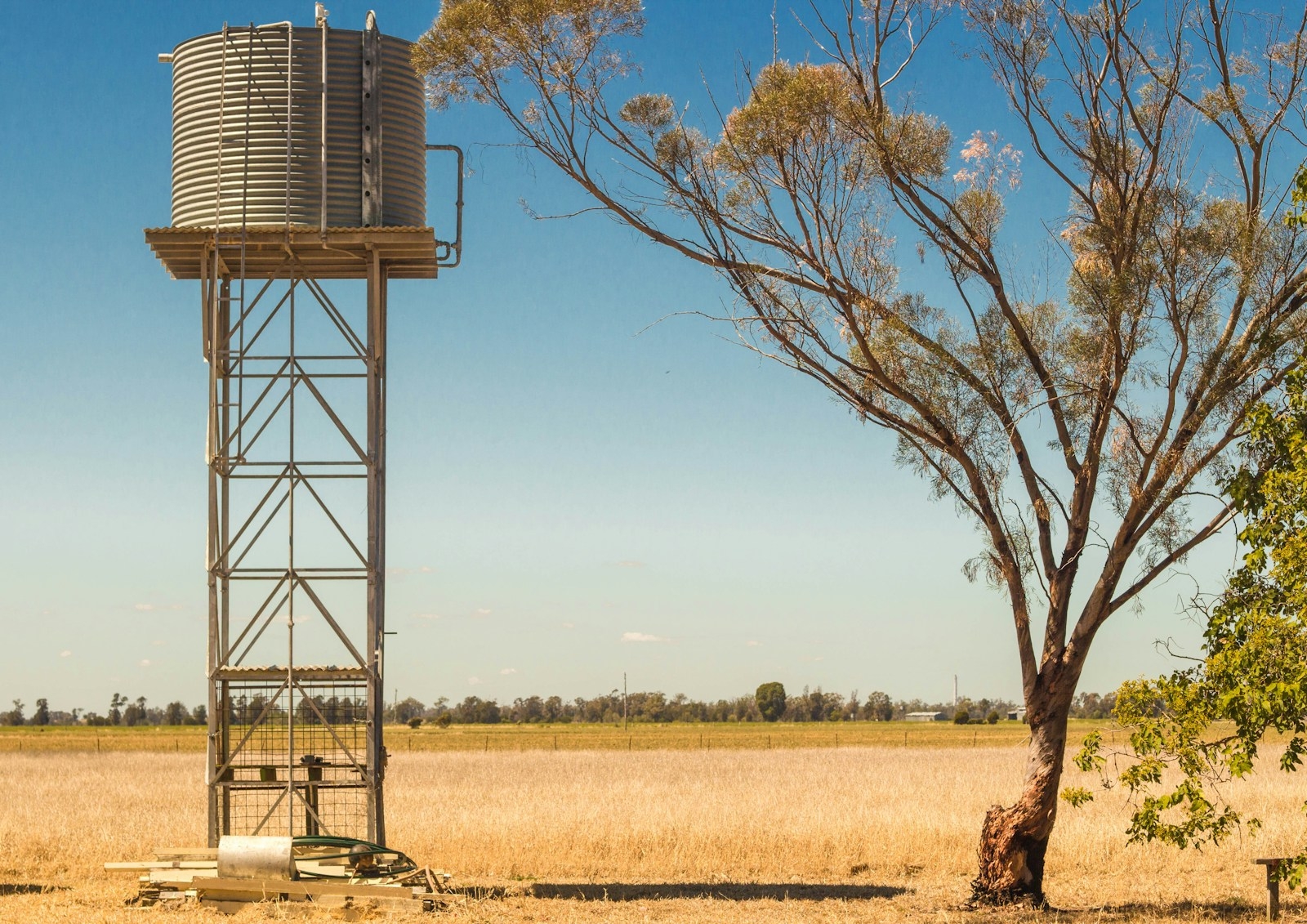
- Are there tanks or dams? What is their capacity and current condition?
- Is there a licensed water allocation attached to the title?
- Is the property connected to a scheme water supply, or entirely self-sufficient?
Don’t assume bore water is usable without testing. Water quality varies significantly across the region, with some bores producing water high in minerals that isn’t suitable for drinking or stock without treatment. A water test before purchase can save a lot of expense and headaches down the track.
2. Power and Infrastructure
Rural blocks in Central West Queensland vary widely when it comes to power. Some properties are connected to the grid, others are entirely off-grid and serviced by solar systems, generators, or a combination of both.
Check the following before buying:
- Is the property connected to the electricity grid? If so, what are the ongoing connection and usage costs?
- If off-grid, what system is in place? Is it in good working order and sized appropriately for your needs?
- What is the mobile phone and internet coverage like? Check Telstra’s regional coverage maps for an accurate picture.
- Are there any power lines crossing the property that may affect use or future building placement?
For buyers planning to build, factor in the cost of connecting to infrastructure if the block is a significant distance from existing services. In some cases this can add substantially to the overall cost of ownership.
3. Fencing and Boundary Conditions
Good fencing is essential for any rural property, particularly those used for grazing. Replacing or upgrading perimeter fencing across a large block can be a significant expense, so it’s important to assess the condition carefully before signing a contract.
- Walk the boundary lines where possible and inspect the condition of existing fences
- Check whether fences are dog-proof if that’s a priority for your intended use
- Confirm boundary lines match the survey plan – this is particularly important on older rural holdings
- Check if there are any easements or shared fence agreements in place that affect your obligations
Ask your solicitor to review the title for any easements or encumbrances that may affect how you can use the land before you commit to a purchase.
4. Soil, Pasture and Land Condition
For buyers looking to run livestock or use the land productively, the quality of the soil and pasture matters greatly. A block that has been poorly managed for years may need significant work to bring it back to a good carrying capacity.
- What is the estimated carrying capacity of the property? Ask the agent or current owner for historical stocking rates where available.
- What is the grass or pasture coverage like? Is it native pasture or improved pasture?
- Are there any noxious weeds or declared plants on the property? Removal of declared species is a legal obligation for landowners in Queensland.
- Has the land been affected by soil erosion, gully damage, or significant flooding events?
If you’re not experienced in assessing land condition, consider engaging an agronomist or an experienced local grazier to walk the property with you before making an offer. Local knowledge is invaluable in this part of the world.
5. Local Council Zoning and Land Use
Before buying, confirm what the land is zoned for and what you are permitted to build or operate on it. Rural zoning in Queensland varies across council areas, and there may be restrictions on subdividing, building additional structures, or operating certain types of businesses.
- Contact the relevant local council to understand zoning rules and any applicable overlays
- Check if there are any overlays on the property such as flooding zones, vegetation management areas, or heritage designations
- If you’re planning to build, confirm minimum lot sizes, setback requirements, and any development conditions
Your conveyancer or solicitor can assist with a full title search and property information enquiry from the council before settlement.
6. Access and Road Conditions
Road access is often overlooked but it matters significantly – especially in rural Central West Queensland, where sealed roads can quickly give way to gravel or dirt tracks. Consider:
- Is access to the property via a public road or a private road easement?
- What is the road condition, and is it passable in wet weather?
- How far is the property from the nearest town, hospital, school, and emergency services?
- If there is a shared access road, what are the maintenance arrangements and cost-sharing agreements?
If the property is accessed via a private road or easement, have your solicitor confirm the terms and ensure access rights are clearly documented on the title.
7. Pest and Weed Management
Feral animals and declared pests are a real consideration for rural landowners across Queensland. Before purchasing, ask about:
- Any history of wild dog, rabbit, or feral pig activity on or near the property
- Current pest management strategies in place on the holding
- Whether neighbouring properties have active pest management programs – wild dogs in particular can be an ongoing challenge in parts of Central West Queensland
- Any declared weeds present and the extent of any existing management programs
Get Local Advice Before You Buy
Buying a rural block in Central West Queensland can be one of the most rewarding decisions you make – but it pays to do your due diligence thoroughly. A block that looks good on paper or in photos can sometimes hide costly issues that only become apparent once you’re on the ground and asking the right questions.
David Hardie Real Estate has helped buyers across the Central West find the right property for their needs for many years. Whether you’re looking for a small lifestyle block on the edge of town or a larger grazing holding, we can help you understand exactly what you’re buying and guide you through the process.
Browse our current rural and land listings or contact David Hardie on 0427 575 974 for honest, local advice before you buy.