A good garden can lift how a home looks and feels, but in the heat and dry spells of the west, a thirsty lawn and fussy plants quickly become a chore. A low maintenance garden in regional Queensland is about working with the climate, not against it. With the right plants, soil care and watering habits, you can have a garden that looks great with far less effort and far less water.
Here are practical ideas for homeowners in Blackall, Tambo, Barcaldine and surrounding towns.
Start With the Conditions You Actually Have
Before you buy a single plant, take a walk around your block. Notice where the sun hits hardest, where water pools after rain, and where the wind comes from. Heavy clay soils, sandy patches and exposed western walls all call for different solutions.
A little observation now saves money later, because plants chosen for your actual conditions are far more likely to survive and thrive.
Choose Plants for a Low Maintenance Garden
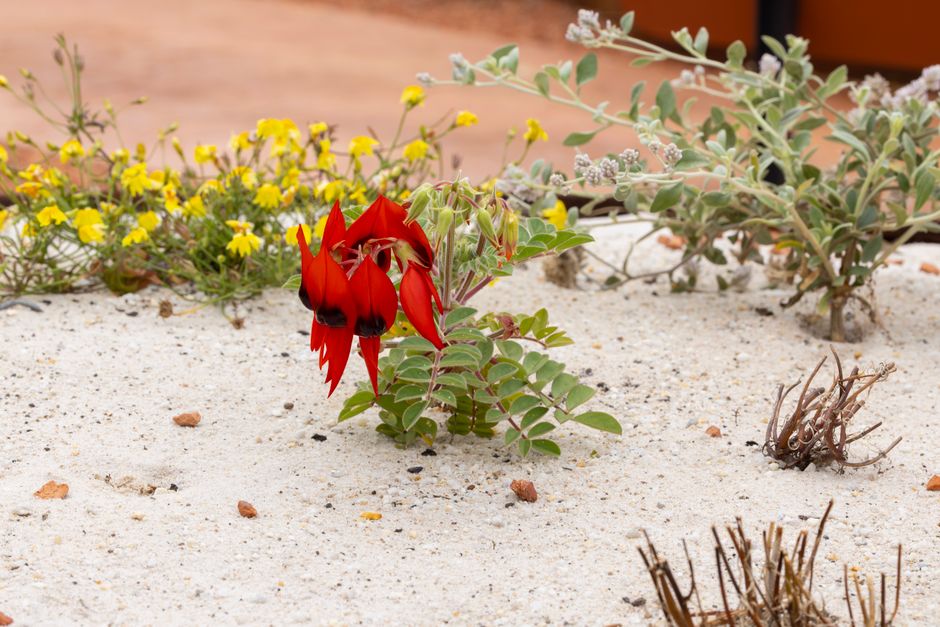
Native and drought-hardy plants are the backbone of any low maintenance garden in regional Queensland. Many local native shrubs, grasses and groundcovers are adapted to hot summers, dry spells and the occasional frost. Your local nursery will know which varieties do well in your town, so ask them for recommendations rather than guessing.
- Native grasses and groundcovers: fill space and suppress weeds without constant mowing
- Hardy shrubs: provide structure and shade once established
- Succulents and tough perennials: add colour with very little water
Group plants with similar water needs together so you are not watering the whole garden to keep a few fussy plants alive.
Mulch Is Your Best Friend
A thick layer of mulch is one of the simplest ways to cut watering and weeding. It keeps the soil cooler, slows evaporation and stops many weeds from taking hold. Keep it a little clear of plant stems and top it up each year as it breaks down.
Rethink the Lawn
Lawn is usually the biggest water user in a home garden. You do not have to get rid of it altogether, but consider keeping a smaller area for play or entertaining and replacing the rest with garden beds, gravel paths or hardy groundcovers. Choose a lawn variety suited to hot, dry conditions, and let it grow a little longer in summer, which helps it cope with the heat.
Water Smarter, Not More
Deep, less frequent watering encourages strong roots, while light daily sprinkling encourages shallow, weaker ones. Water early in the morning or in the evening to reduce evaporation. A simple drip irrigation system on a timer delivers water right where plants need it and is easy to install on most blocks.
If you have a rainwater tank, using it for the garden is a great way to stretch your supply. Check your local council for any water restrictions that apply in your area before you set up a system.
Prepare the Soil Before You Plant
Healthy soil holds moisture better and gives plants a strong start. Loosen compacted ground, mix in compost or other organic matter, and consider a soil wetting agent if water tends to run off hard, dry soil. Planting in autumn or early spring, rather than in the heat of summer, gives new plants time to settle in before the harshest weather.
Use Paths, Gravel and Edging
Hard surfaces do not need watering or mowing. Gravel paths, pavers and stone borders reduce the area you need to maintain and give the garden a clean, defined look. Edging also helps keep mulch and lawn where they belong, which means less tidying up later.
Think About Kids, Pets and Fire Safety
If you have children or animals, choose non-toxic plants and keep play areas clear of anything spiky. Properties on the edge of town or on acreage should also keep vegetation well managed around the house, and follow local fire safety guidance for your area.
Add Shade and Shelter
Well-placed trees and shrubs can cool the house, protect more delicate plants and reduce the wind that dries soil out. Think about where afternoon sun heats your home most and plant there first. Shade structures, pergolas and shade cloth also give outdoor spaces relief through the hottest months.
Keep Your Low Maintenance Garden Manageable
- Do a quick weekly walk-around to pull weeds while they are small
- Prune hardy shrubs once or twice a year, rather than constantly
- Check irrigation lines for leaks at the start of each season
- Top up mulch before summer
A Tidy Garden Helps Property Appeal Too
A neat, well-planned garden makes a strong first impression, whether you are enjoying your home or preparing to sell. Buyers in regional Queensland often value outdoor space, and a low maintenance garden suggests a home that is easy to care for.
If you are planning a move or wondering how your home presents to the market, we are happy to chat. A low maintenance garden in regional Queensland is a small project that can make a real difference.
Talk to a Local Expert
Contact David Hardie or browse our current listings.
For expert local advice, contact David Hardie on 0427 575 974.