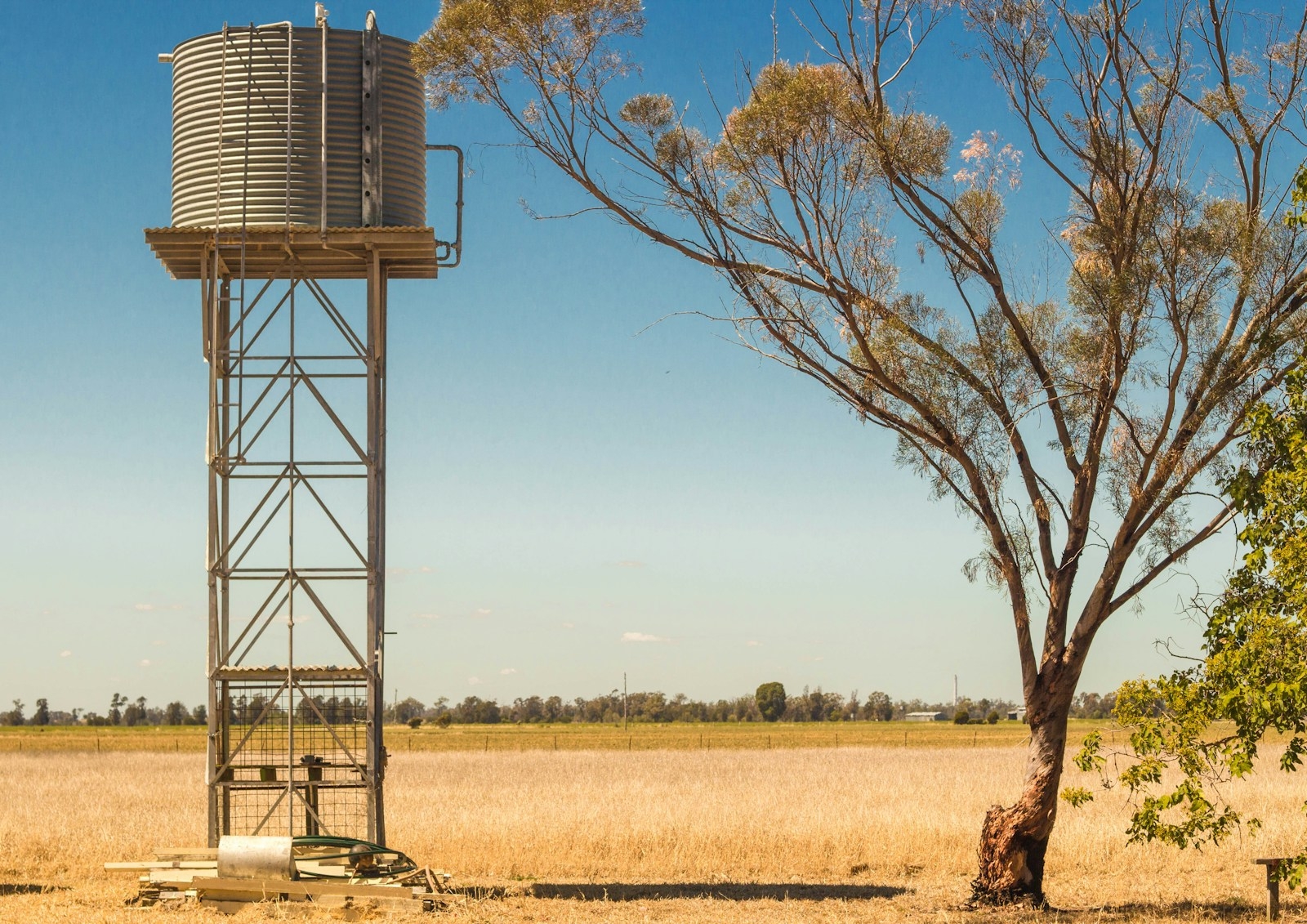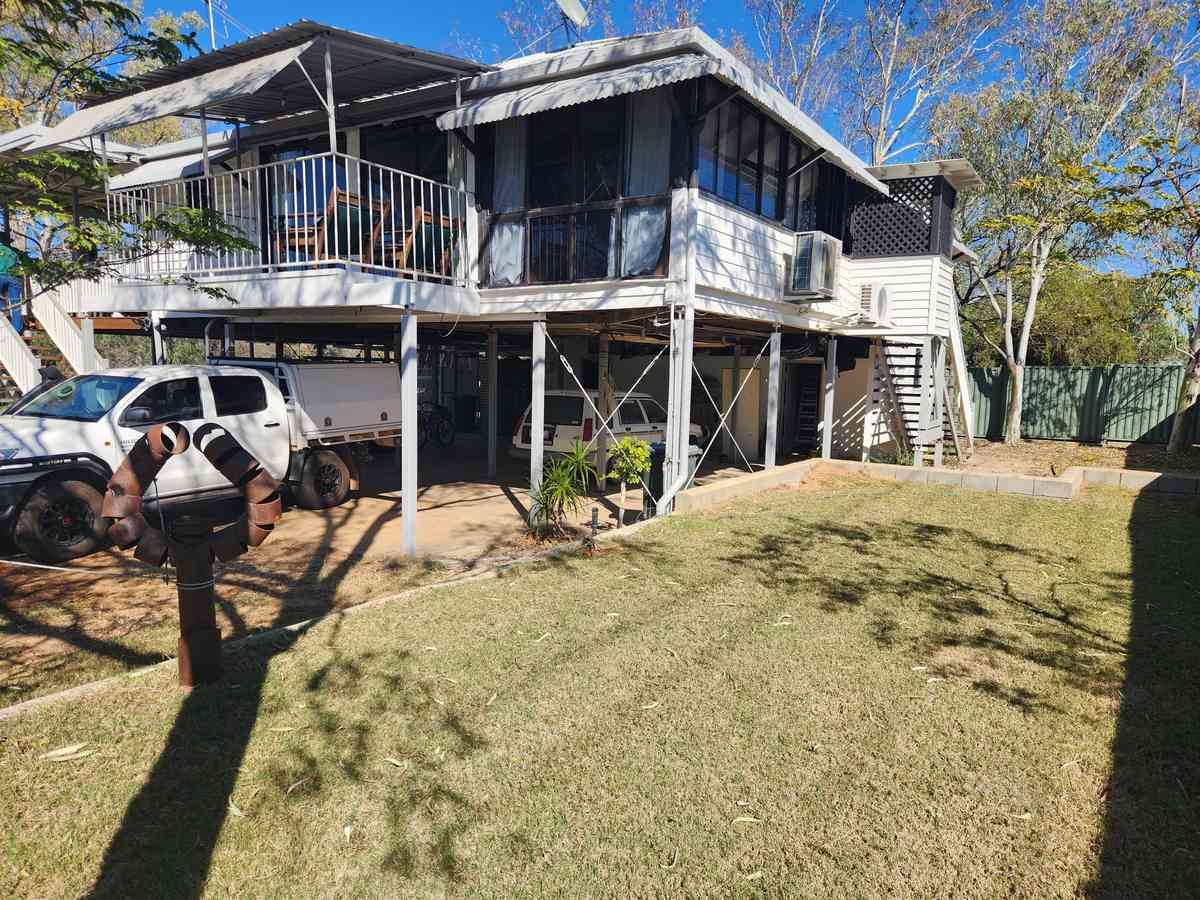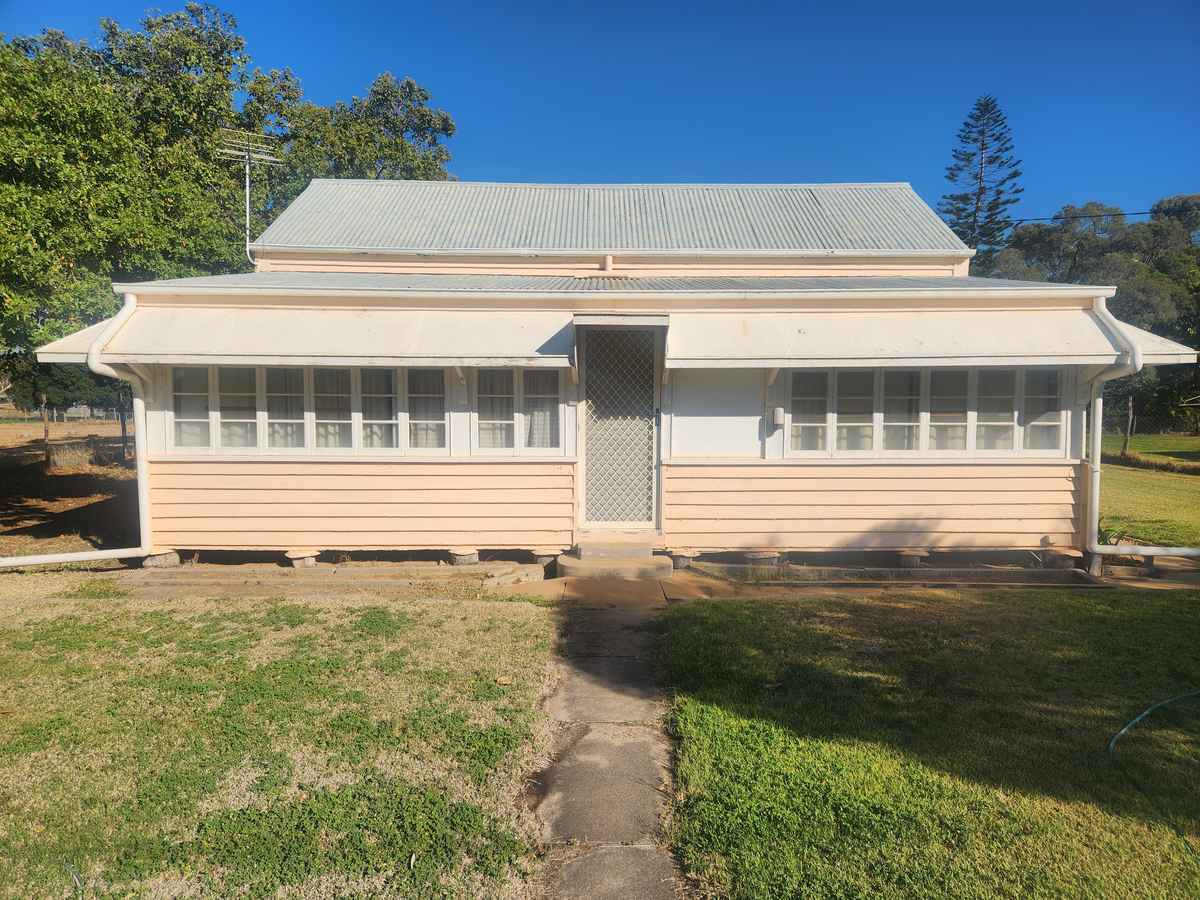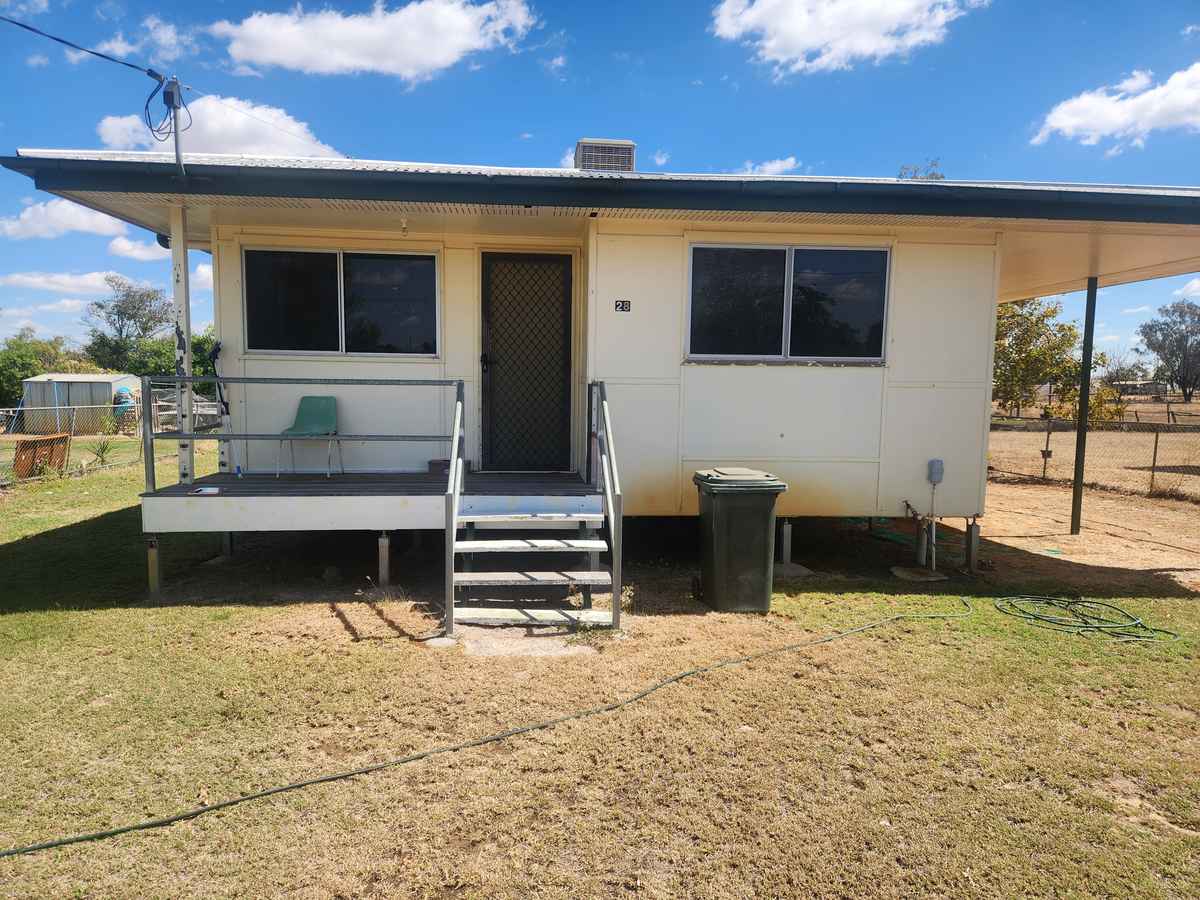
If you own a property in Central West Queensland, chances are your water supply depends on more than just the town main. Rainwater tanks, bore water systems, and rural water storage setups are a fundamental part of life across much of the region, and keeping them in good working order is not just a practical necessity – it directly affects the liveability, safety, and value of your property. Whether you are a long-time local or someone who has recently moved to the area, this guide covers the key maintenance steps for rainwater tanks and rural water systems in Central West Queensland.
Why Water System Maintenance Matters in Central West Queensland
The climate across Central West Queensland is characterised by hot summers, variable rainfall, and extended dry periods. When rain does fall, it is important that your collection and storage systems are ready to capture and hold every litre effectively. When rainfall is scarce, the condition of your storage and bore infrastructure can determine whether your household, garden, or livestock have enough water to get through.
Beyond the practical day-to-day, water infrastructure is increasingly on the radar of buyers and renters looking at regional properties. A well-maintained water system is a clear signal that a property has been cared for. Conversely, tanks in poor condition, contaminated water, or a bore that has not been serviced can become a sticking point in a sale or a reason for tenants to look elsewhere.
Rainwater Tank Maintenance: The Essentials
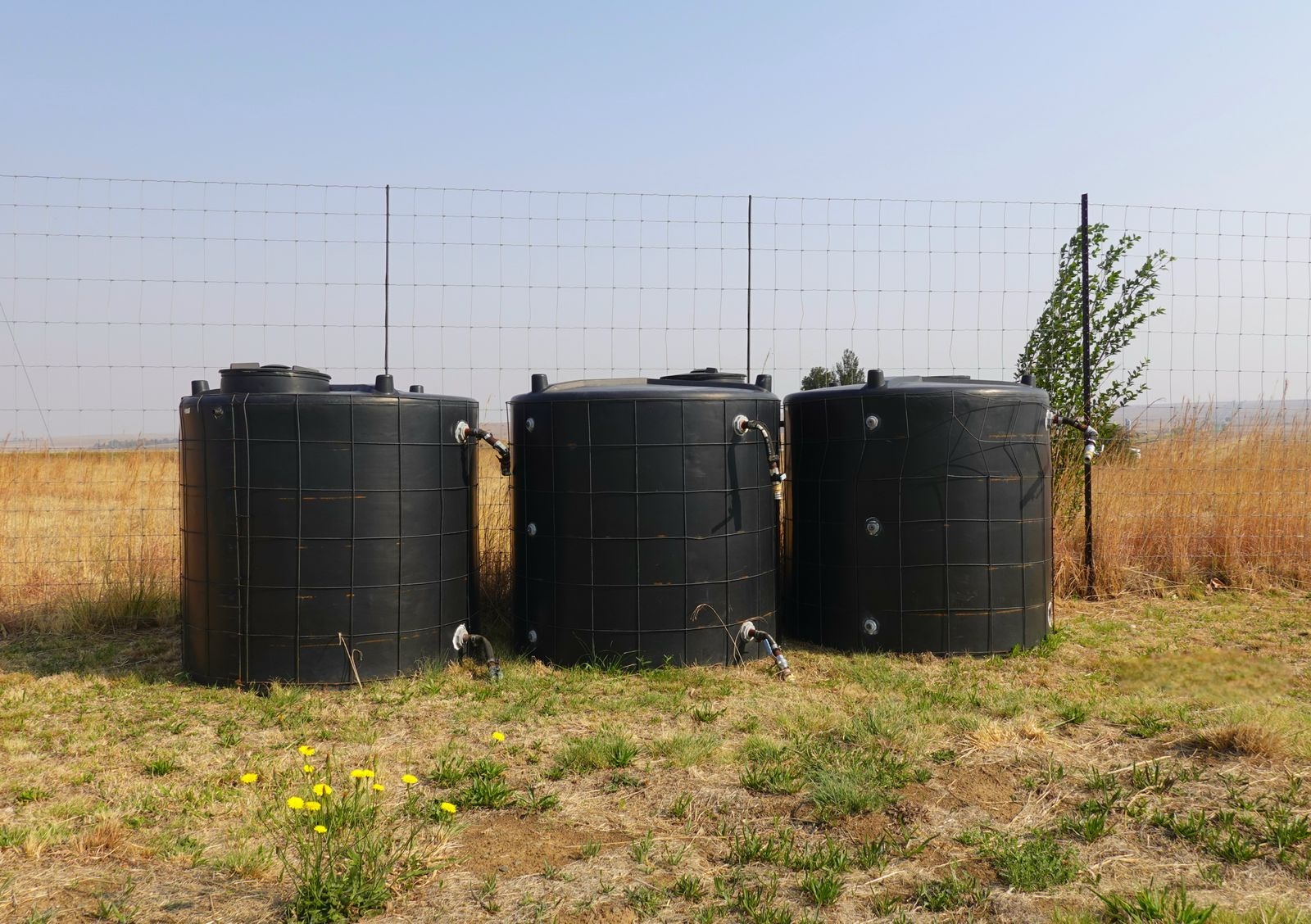
Rainwater tanks are the most common water storage solution across both town and rural properties in the Central West. They are reliable and relatively low-maintenance, but they do need regular attention to stay in good condition and to keep the water safe to use.
Keep Your Roof and Gutters Clean
Your roof is your catchment area, and the quality of the water entering your tank depends heavily on what is on your roof. Leaves, bird droppings, dust, and debris all wash into gutters and down the inlet pipe when it rains. Cleaning your gutters at least twice a year, and more frequently if you have large trees near the house, is one of the simplest and most effective things you can do to protect your tank water quality.
Check that downpipes are clear and that the inlet to your tank is screened with a suitable mesh to keep out insects, frogs, and debris. Replace damaged or deteriorating screens promptly.
Check and Maintain Your First Flush Device
A first flush diverter is a device that intercepts the initial flow of water from your roof after rain begins, diverting it away from the tank. This first flush of water tends to carry the highest concentration of contaminants from your roof surface. If your property has a first flush device, make sure it is emptying correctly after each rain event and that the diverter chamber is clean. If your system does not have one, it is worth discussing with a plumber whether one could be fitted.
Inspect Tank Integrity Regularly
Walk around your tank periodically and look for:
- Cracks or damage to the tank walls
- Deteriorating seals around inlets, outlets, and overflows
- Evidence of algae growth on the outside (which can indicate light is getting in)
- Rust on steel tanks, particularly at the base and around fittings
- Damage to the inlet or outlet pipes
Rainwater tanks should be dark inside to prevent algae from growing in the water. If light is penetrating through cracks or damaged fittings, this needs to be addressed. Most tank manufacturers and plumbers can advise on repair options for common tank types.
Clean the Inside of the Tank
Over time, sediment, leaf matter, and organic material accumulate on the floor of the tank. It is generally recommended to have your tank professionally cleaned every few years, or sooner if you notice changes in water quality such as discolouration, unusual taste or smell. A professional tank cleaner will pump out the tank, remove sludge from the base, and inspect the interior condition.
Between professional cleans, avoid activities that stir up sediment unnecessarily, and if your tank uses a pump, make sure the inlet is positioned above the floor of the tank so that settled sediment is not drawn into the line.
Test Your Water Quality
If you are using rainwater for drinking and cooking, periodic water quality testing is a sensible precaution. Testing kits are available from rural and hardware suppliers, or you can arrange for a sample to be sent to a laboratory for more comprehensive analysis. This is especially worth doing after any event that could affect quality, such as a bushfire nearby, roof repairs, or if the tank has been unused for an extended period.
Bore Water Systems: What to Watch For
Bore water is another common water source across pastoral and rural properties in Central West Queensland. Bores can be highly reliable long-term water sources, but they do require monitoring and maintenance to remain functional and to produce usable water.
Signs That Your Bore Needs Attention
Keep an eye out for these common indicators that something may not be right with a bore water system:
- Reduced water flow or pressure, which can indicate pump wear, a drop in the water table, or blockage in the bore casing
- Changes in water colour, taste, or smell
- Unusual sediment or discolouration in the water
- The pump cycling on and off more frequently than usual
- Any visible damage to the pump head, casing, or surrounding infrastructure
When to Call a Professional
Bore pumps and submersible pump systems are not something most property owners should attempt to service themselves. When you notice any of the signs above, or when the bore has not been serviced in several years, it is time to call a licensed bore contractor or pump specialist. They can assess the pump condition, check the bore casing for deterioration or blockage, and test water quality from the source.
For properties with electric bore pumps on solar systems, have the solar setup inspected periodically to ensure panels, controllers, and wiring are all in good condition. A fault in the power supply is a common cause of unexpected pump failure.
Bore Water Quality and Treatment
Bore water chemistry varies considerably across different parts of Central West Queensland. Some bores produce excellent quality water; others may have elevated mineral content or salinity that affects what the water can be used for. Have your bore water tested if you are unsure of its suitability for drinking, irrigation, or livestock use. In many cases, a basic filtration or treatment system can be added to improve quality for household use.
Water Storage Tips for Dry Seasons
In the Central West, planning for dry periods is simply part of rural property life. A few practical steps can make a significant difference:
- Keep an eye on tank levels and be aware of your average daily usage so you can identify when supplies are getting low
- Ensure that overflow pipes are correctly positioned so that heavy rain events actually fill the tank rather than bypassing it
- If you have multiple tanks, make sure interconnecting valves and fittings are working correctly so storage capacity is being used efficiently
- Consider whether additional storage capacity would be beneficial, particularly if your property has expanded or if usage has increased
- Organise water deliveries well in advance if you anticipate needing supplementary water, as demand on delivery services can increase during prolonged dry spells
What Buyers and Renters Look for in Regional Properties
If you are thinking about selling or renting out a property in Central West Queensland, the condition of your water systems will be on the checklist of any informed buyer or tenant. Properties where the water supply is reliable, well-maintained, and clearly documented are consistently easier to sell and attract stronger interest.
Buyers in particular will want to understand the source of water, tank capacity, bore depth and pump condition, any water treatment in place, and how the property manages water during dry periods. Having service records and maintenance history available demonstrates that the property has been looked after, and that removes one common area of uncertainty for buyers.
If you are preparing a rural or regional property for sale and want to understand what buyers in the current market are focused on, browse current listings at davidhardierealestate.com.au/for-sale/ to get a sense of how properties are presented, or get in touch with David directly for tailored advice.
Looking After Your Property Starts with the Basics
Good water infrastructure is the foundation of a functional and comfortable property in Central West Queensland. Regular inspection, timely maintenance, and occasional professional servicing of your rainwater tanks and bore systems will keep your water supply reliable, protect your family’s health, and maintain the value of your investment.
If you have questions about buying or selling a property in the region and want to understand how water supply factors into property value and buyer expectations, David Hardie Real Estate is always happy to have that conversation. Contact David on 0427 575 974 or email info@davidhardierealestate.com.au. We are here to help! 😊