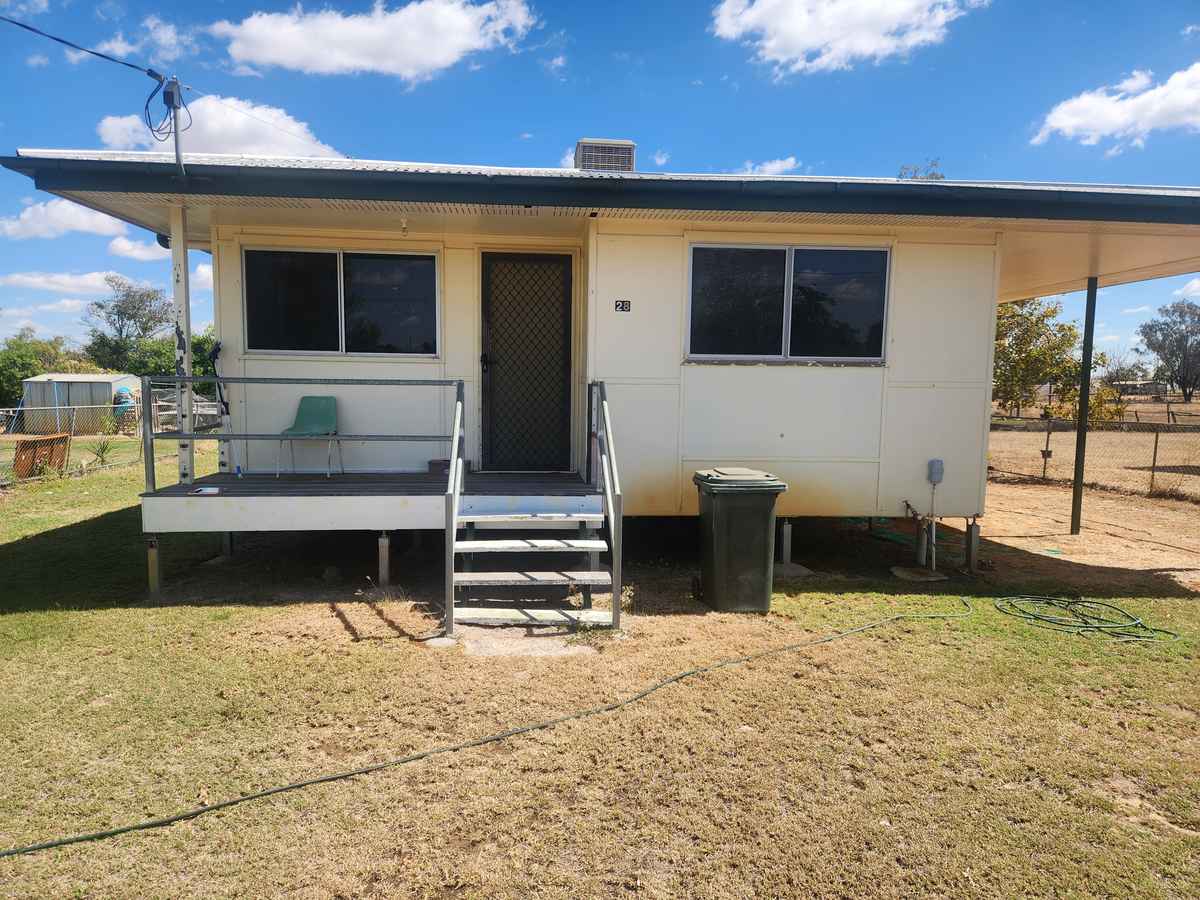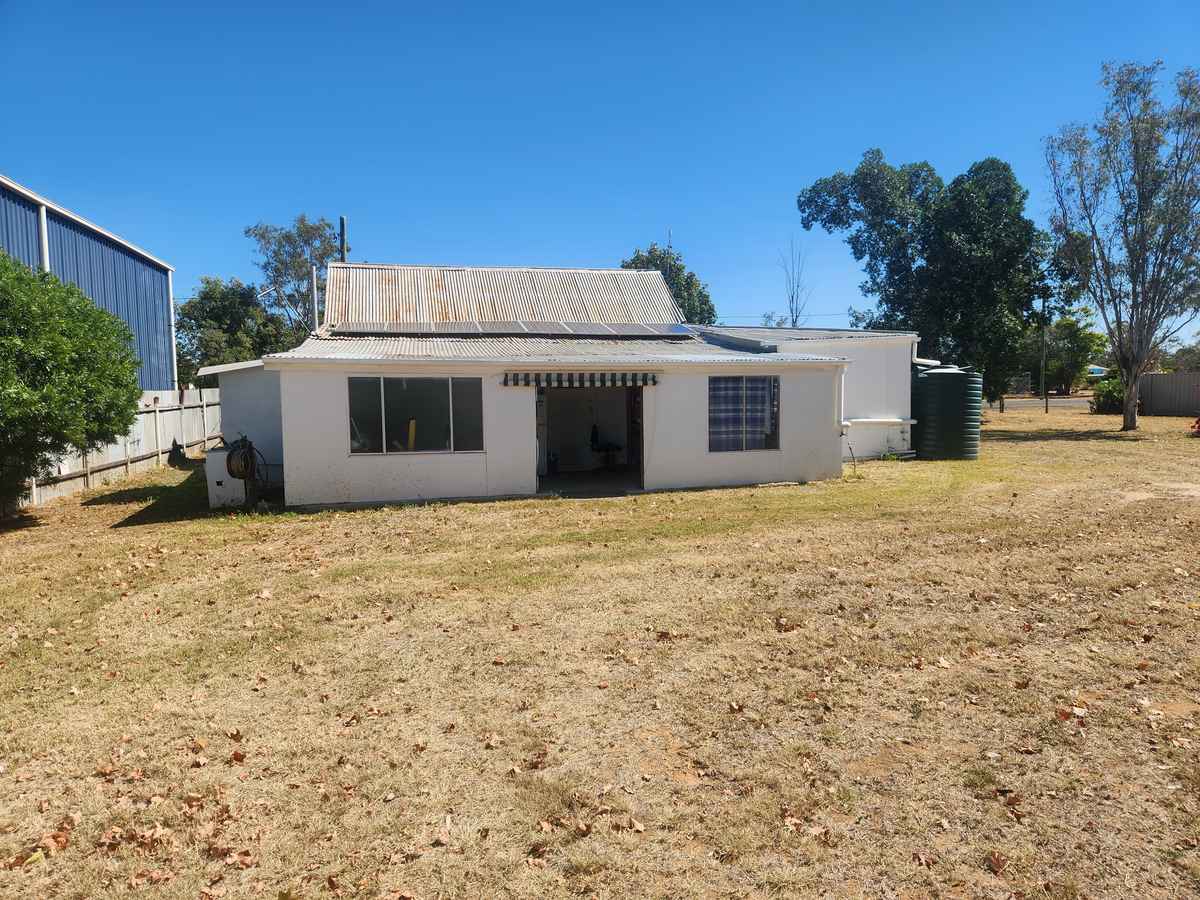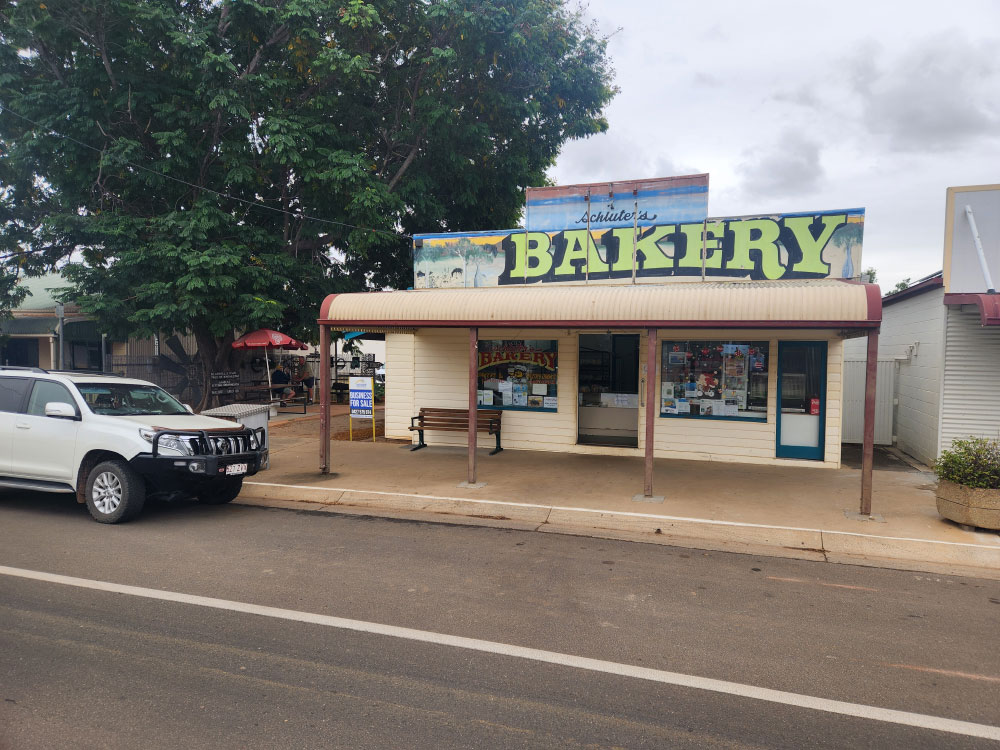
Commercial property in regional Queensland is attracting growing interest from investors who are looking beyond the capital cities for strong returns and long-term value. From heritage pubs on the main street of a Central West town to retail premises and industrial sheds, the opportunities across outback Queensland are diverse, and in many cases, the entry price is considerably more accessible than what you would find in Brisbane or the Sunshine Coast. If you are considering commercial property investment in regional Queensland, here is what you need to know before you begin.
What Types of Commercial Property Are Available in Regional Queensland?
The commercial property market in Central West Queensland covers a broad range of asset types. David Hardie Real Estate regularly handles commercial listings across Blackall, Tambo, Barcaldine, Longreach, Charleville, Hughenden, and Winton, and the variety on offer often surprises buyers who are new to the region.
Hospitality Properties: Hotels and Pubs
Without question, some of the most sought-after commercial properties in outback Queensland are hotels and pubs. In regional and remote communities, the local pub is far more than a place to have a meal or a cold drink. It is often the social heart of the town, a meeting place for locals, travellers, and workers, and in many cases it provides accommodation for those passing through. Hospitality properties in Central West Queensland can represent a genuine lifestyle and business opportunity combined, and they attract buyers from across the country who are looking for a tree change with a commercial income stream attached.
Retail and Commercial Buildings
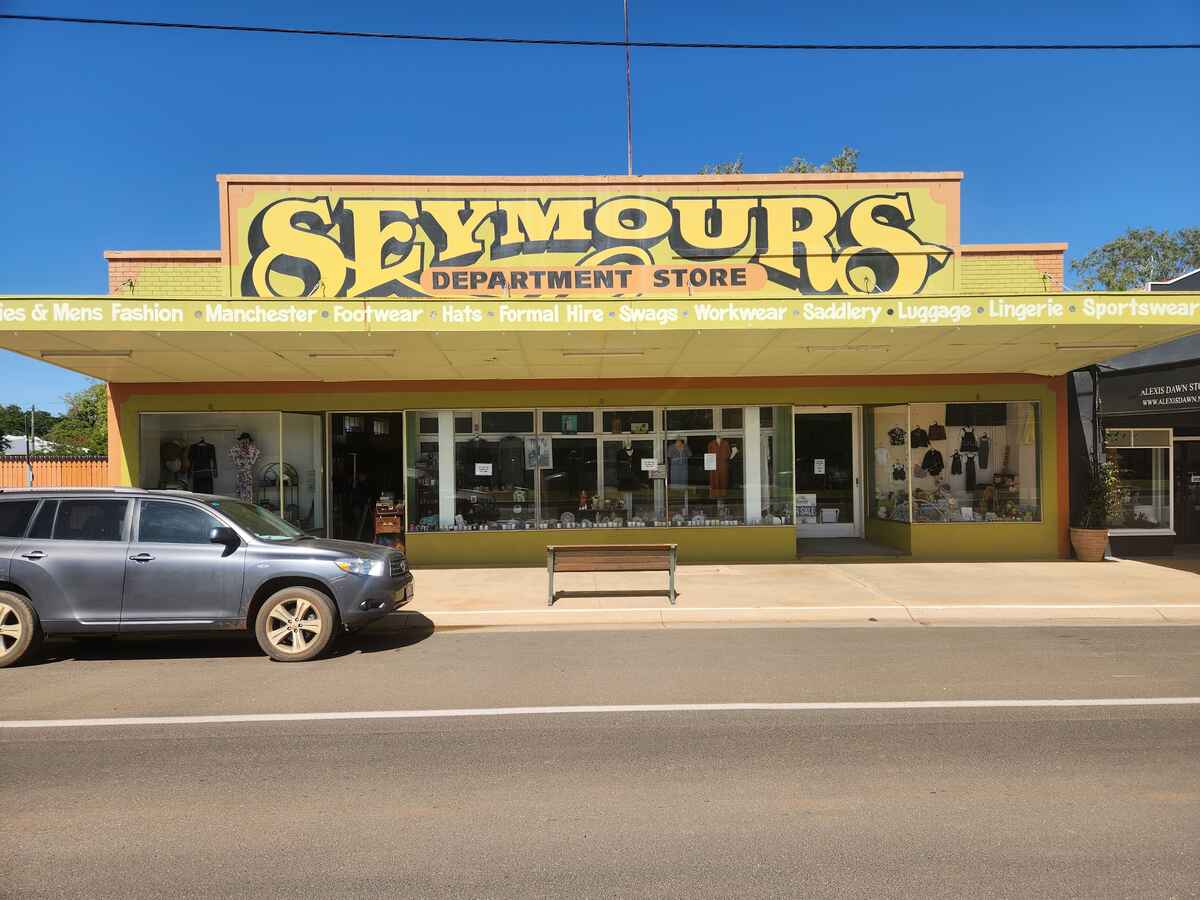
High street retail premises, mixed-use buildings with residential upstairs and commercial below, and standalone commercial buildings are all commonly seen across Central West Queensland towns. These can suit investors looking to lease to established local businesses, as well as owner-occupiers wanting to operate their own enterprise in a regional setting.
Industrial and Rural Commercial
Sheds, warehouses, service stations, and rural supply businesses round out the commercial landscape in many of the towns David Hardie services. These assets often serve essential functions in communities that rely on agriculture, mining, and pastoral industries, and that underlying demand can make them resilient investments.
Why Regional Commercial Property Can Be Compelling for Investors
Regional commercial property is not for everyone, but for the right investor it offers a compelling combination of factors that are simply not available in larger urban markets.
- Lower entry price: Commercial properties in Central West Queensland are typically available at a fraction of the cost of equivalent assets in metropolitan or coastal Queensland. This lower barrier to entry allows investors to get into the commercial market sooner, or to diversify their portfolio without taking on excessive debt.
- Strong community demand for essential services: In smaller towns, commercial tenants providing essential services, whether that is a grocery supplier, a tradesperson operating from a shed, or a hospitality venue, often have few or no competitors locally. This can translate to stable, long-term tenancy.
- Lifestyle opportunity: Many buyers of hospitality properties in particular are drawn to the idea of owning and operating a business in a regional community, with lower cost of living and a quality of life that the cities cannot offer.
- Diversification: Adding a regional commercial asset to a property portfolio that is otherwise concentrated in residential or metropolitan markets can provide useful diversification.
Finance Differences: Commercial Lending Versus Residential
One of the most important things to understand before pursuing commercial property investment in regional Queensland is that commercial lending works quite differently to residential lending.
Deposit Requirements
Lenders typically require a higher deposit for commercial properties than for residential purchases. In most cases, buyers should be prepared to have somewhere between 20 and 30 per cent of the purchase price available as a deposit, though the exact requirement will depend on the lender, the type of property, and the strength of the borrower’s overall financial position.
Loan Terms and Assessment
Commercial loans are often assessed differently to residential mortgages. Lenders will consider the income-producing potential of the property, the quality of existing leases, the business’s financial performance if it is a going concern, and the specific risks associated with the asset type. Interest rates for commercial lending are also generally higher than for residential, and loan terms can be shorter.
Specialist Advice Is Essential
If you are new to commercial property, working with a mortgage broker who has experience in commercial lending and an accountant who understands the tax implications of commercial investment is genuinely important. The structure you use to purchase, whether in your own name, through a company, or via a self-managed super fund, can have significant long-term consequences.
Due Diligence: What to Check Before You Buy
Due diligence for commercial property is more involved than for a standard residential purchase. Here are the key areas to focus on.
Business Performance (for Going Concerns)
If you are buying a property that comes with an existing operating business, such as a pub or a service station, you will need to thoroughly review the financial records of that business. This includes profit and loss statements, tax returns, supplier agreements, and staffing arrangements. It is not enough to assess only the property itself – you are also buying the business, and understanding its true trading performance is critical.
Lease Terms and Tenancy Arrangements
For commercial properties that are leased to third parties, the quality of the lease is a key determinant of value. Review the length of the lease, any options to renew, rent review mechanisms, and the identity and financial standing of the tenant. A commercial property with a long lease to a stable tenant is a fundamentally different proposition to one with a short lease or a vacancy.
Liquor Licences and Regulatory Compliance
For hospitality properties, the liquor licence is an essential part of the business. Buyers need to understand what type of licence is in place, what conditions are attached to it, and what the process is for transferring the licence to a new owner. Engaging a solicitor with experience in liquor licensing matters is strongly recommended. Beyond licensing, compliance with building codes, fire safety requirements, food safety regulations, and other applicable rules should all be confirmed before purchase.
Building Condition and Structural Assessment
A professional building inspection is just as important for commercial property as it is for residential. In older regional buildings, you may encounter issues with asbestos, structural maintenance, roof condition, plumbing, or electrical systems that require attention. Understanding the true condition of a building before you exchange contracts allows you to price any remediation work into your decision and avoid nasty surprises.
Zoning and Future Use
Confirm that the current use of the property is permitted under local planning rules and, if you are considering a change of use, check with the relevant council that your intended use would be approved. Regional councils in Central West Queensland are generally accessible and practical to deal with, but it is always better to confirm in advance.
Working with a Local Agent Who Knows the Market
Commercial property in outback and regional Queensland operates in a market that is quite different from what city-based investors are used to. Understanding local demand drivers, knowing which towns have strong community fundamentals, and being aware of upcoming changes to services or infrastructure in the region requires on-the-ground knowledge that only comes with years of operating in that specific area.
David Hardie Real Estate has deep roots in Central West Queensland and has been involved in commercial sales including hotels, pubs, and commercial buildings across the region. If you are considering entering this market, having a local agent in your corner can make a real difference, both in identifying the right opportunities and in negotiating effectively.
You can browse current commercial listings and properties for sale at davidhardierealestate.com.au/for-sale/.
Ready to Explore Commercial Property in Regional Queensland?
Whether you are looking at your first commercial investment, considering a lifestyle change with a hospitality business, or wanting to diversify an existing portfolio, the Central West Queensland market has genuine options worth exploring. The key is doing your homework, assembling the right professional team, and working with someone who knows the local landscape well.
To find out more or to have a conversation about what is currently available, contact David on 0427 575 974 or send an email to info@davidhardierealestate.com.au. We are here to help! 😊