You have found the right property in the right town, agreed on a price and applied for your loan. Then the bank’s valuation comes back lower than expected, or the lender asks for a bigger deposit. For buyers in small country towns, this is a more common story than many expect. Understanding how regional property valuation works at the bank level can help you prepare, and avoid unwelcome surprises.
This article explains in general terms why lenders treat small-town properties differently and what you can do about it. It is general information only, so speak to a qualified mortgage broker or your lender about your own situation.
How a Bank Valuation Works
When you apply for a loan, the lender usually arranges a valuation of the property. The valuer’s job is to estimate what the property is worth based on recent comparable sales, the condition of the home and the local market. The lender uses that figure, rather than your purchase price, to decide how much it is willing to lend.
If the valuation is lower than the price you agreed to pay, you may need to cover the gap with extra savings, renegotiate with the seller, or look at a different lender.
Why Regional Property Valuation Is Harder in Small Towns
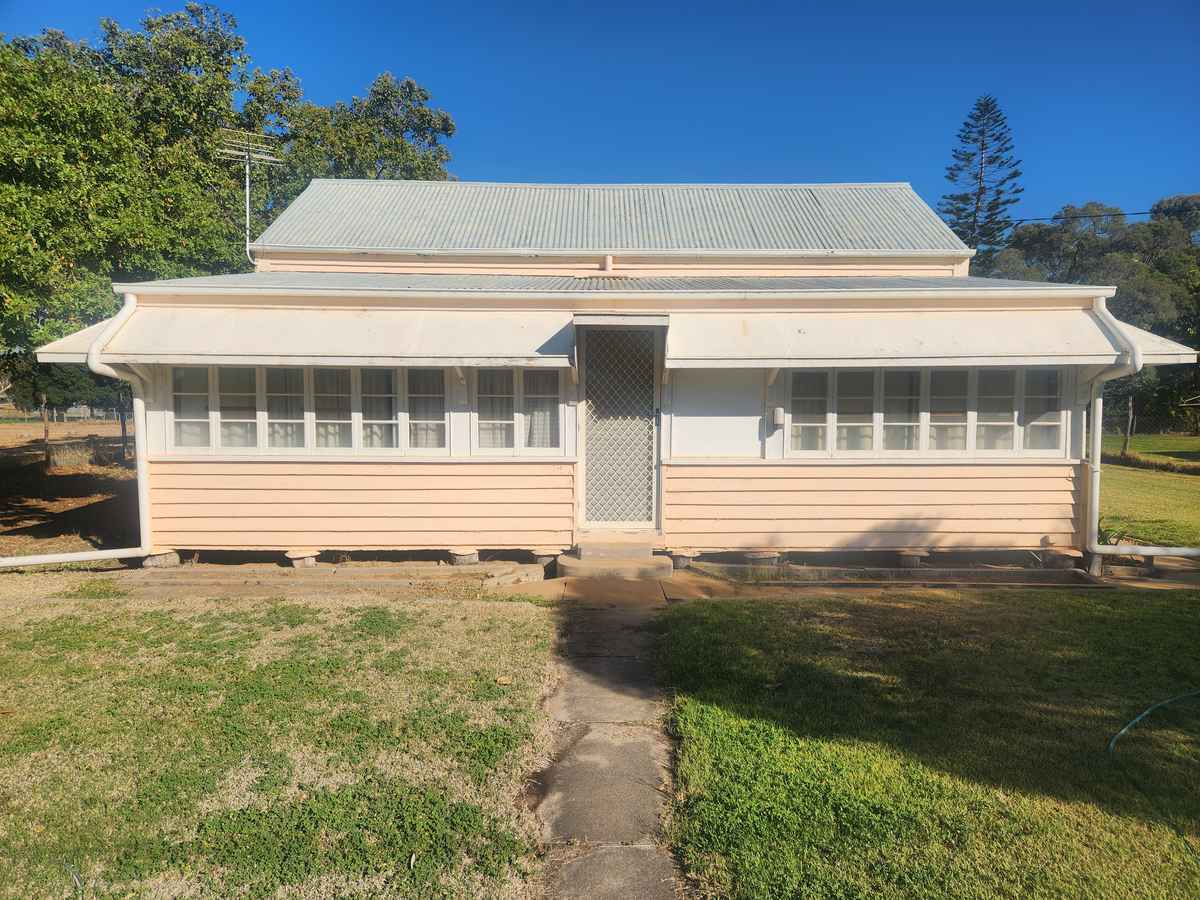
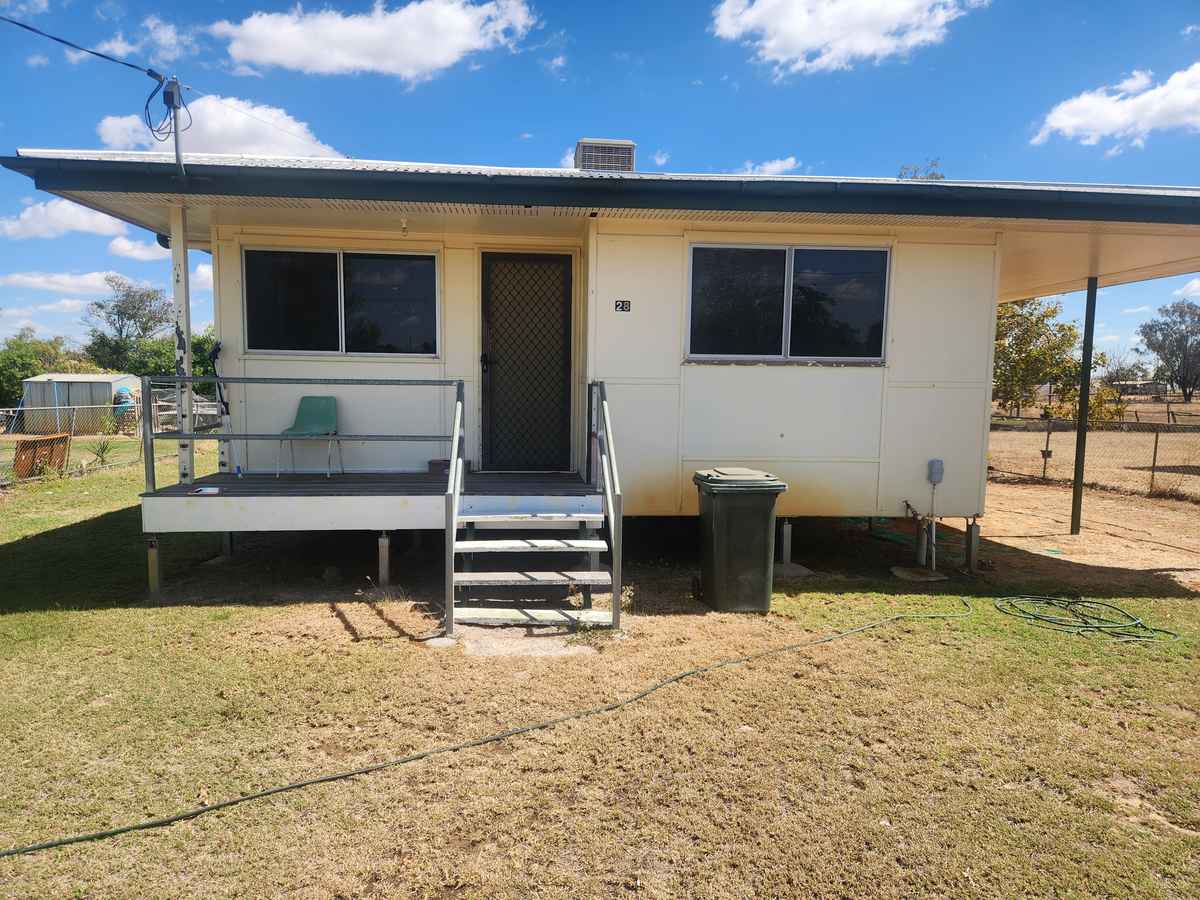
In a big city, a valuer can compare dozens of recent sales on nearby streets. In a smaller regional town, there may be only a handful of comparable sales in a year, and each home can be quite different, from character timber homes to acreage and commercial-residential combinations.
With fewer sales to rely on, valuers can be more cautious. They may also look further afield or lean on older sales, which may not reflect more recent demand in the town.
How Lenders Approach Regional Property Valuation and Risk
Different lenders have different policies on small towns and rural properties. Some are comfortable lending across regional Queensland, while others apply tighter rules in certain locations. Depending on the lender, this can show up in several ways:
- A lower maximum loan-to-value ratio, meaning you may need a larger deposit
- Restrictions on larger land sizes or properties with income-producing uses
- Extra questions about the condition or type of construction
- Different treatment of lenders mortgage insurance
These policies change over time, which is why a broker who regularly places loans in regional areas can be valuable.
Practical Ways to Prepare
- Talk to a broker early: before you make an offer, ask which lenders are comfortable with your target town and property type
- Get pre-approval, but understand its limits: pre-approval is usually subject to a satisfactory valuation
- Allow a buffer: having a little extra cash available can help if the valuation falls short
- Ask your agent for recent local sales: your agent can share comparable sales information that supports the price
- Keep the contract conditions in mind: make sure your finance condition and dates give you enough time
Purchase Price, Valuation and Market Value: What Is the Difference?
These three terms are often mixed up. The purchase price is what you and the seller agree on. The valuation is the lender’s independent estimate of value at a point in time. Market value is what a willing buyer would pay in the open market, which can move as demand changes.
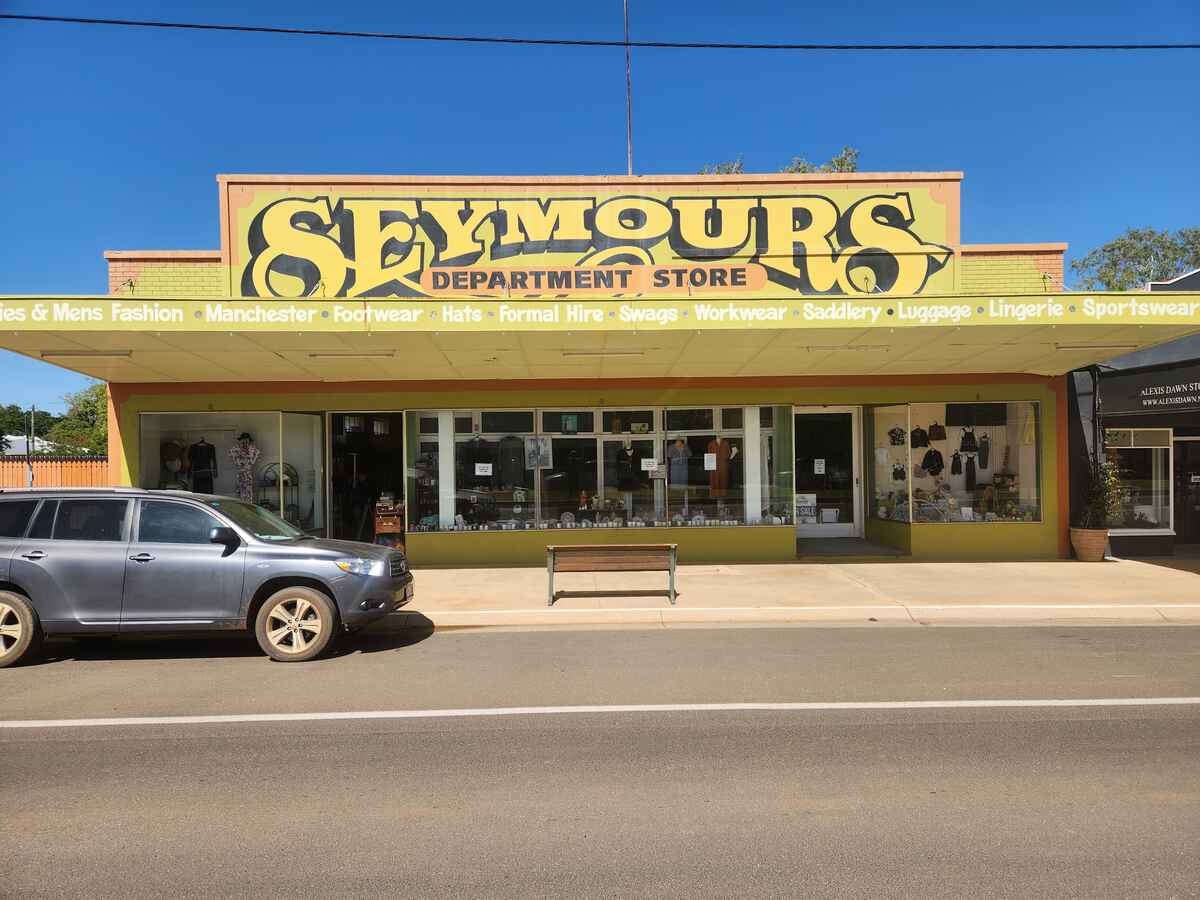
In a small town, the three can sit closer together or further apart than you might expect, depending on how many recent sales the valuer can use. A property with unusual features, such as a large shed, a rural block or a commercial component, can be harder to compare, which is one reason valuations sometimes vary.
The Role of a Mortgage Broker
A broker can compare lenders on your behalf and knows which ones are comfortable with particular towns, land sizes and property types. They can also help you present your application clearly, which matters when the lender is already cautious about a regional location. Many buyers find that this saves time and avoids applying with a lender who is unlikely to approve the property.
Documents to Have Ready
- Proof of income and recent payslips or tax returns
- Evidence of your savings and deposit
- Details of existing debts and living expenses
- A copy of the contract of sale once it is signed
What If the Valuation Comes in Low?
Do not panic. You may be able to ask the lender to review the valuation with additional comparable sales, negotiate the price with the seller, increase your deposit, or apply with another lender. Your broker and agent can help work through the options, and your solicitor can advise on the contract conditions.
The Local Advantage
Working with an agent who knows the local market means you are better prepared for the realities of regional property valuation. Local knowledge about which homes have sold, what buyers are looking for and how the town is changing helps make sure your offer is realistic and your finance application is well supported.
If you are thinking about buying in Central West Queensland, talk to us early. Understanding regional property valuation before you make an offer helps you plan around the finance process.
Talk to a Local Expert
Contact David Hardie or browse our current listings.
For expert local advice, contact David Hardie.