In Central West Queensland, pests aren’t just a nuisance – they can directly affect the value of your property and the outcome of a sale. Whether you’re preparing to sell or doing your due diligence as a buyer, understanding pest inspection in Queensland homes is one of the most important steps you can take.
At David Hardie Real Estate, we’ve seen pest issues derail settlements, reduce sale prices, and catch both buyers and sellers off guard. Here’s what you need to know.
Why pest inspections matter more in Queensland
Queensland’s warm climate and dry inland conditions create ideal environments for termites, rodents, cockroaches, and other pests. Central West towns like Blackall, Tambo, and Barcaldine are not immune – in fact, older timber homes in these areas can be particularly vulnerable.
Termites alone cause millions of dollars in damage to Australian homes every year. According to Domain, termite damage is rarely covered by standard home insurance – making early detection critical.
Common pests in Central Queensland homes
- Termites (white ants) – The biggest threat to timber-framed or timber-stumped homes. They work silently inside walls, floors, and stumps, often undetected until significant damage has occurred.
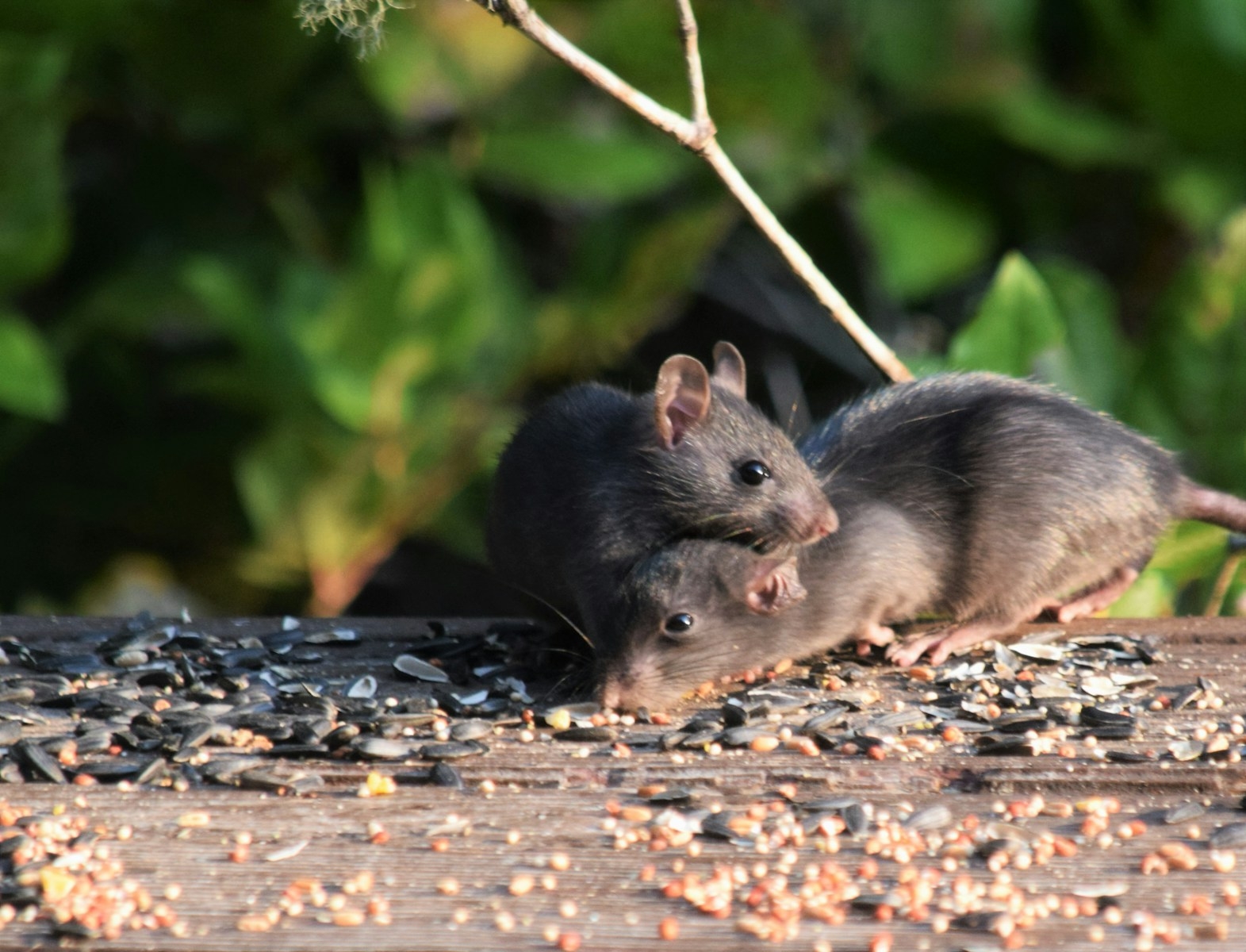
- Rodents (rats and mice) – Common in rural areas, particularly after seasonal changes. They cause damage to insulation, wiring, and stored items, and can create biosecurity issues on rural properties.
- Cockroaches – German and Australian cockroaches thrive in Queensland kitchens, wall cavities, and roof spaces.
- Spiders and wasps – Less of a structural concern but important for safety, particularly in homes that have been vacant.
- Ants – Including aggressive species like fire ants which are spreading inland across Queensland.
Pest-proofing your home before listing
If you’re preparing to sell, addressing pest issues before you list gives you control of the narrative and protects your sale price. Here’s a practical checklist:
- Book a professional pest inspection – Get a licensed pest inspector in before you list. If issues are found, you can address them proactively rather than having them surface in a buyer’s inspection.
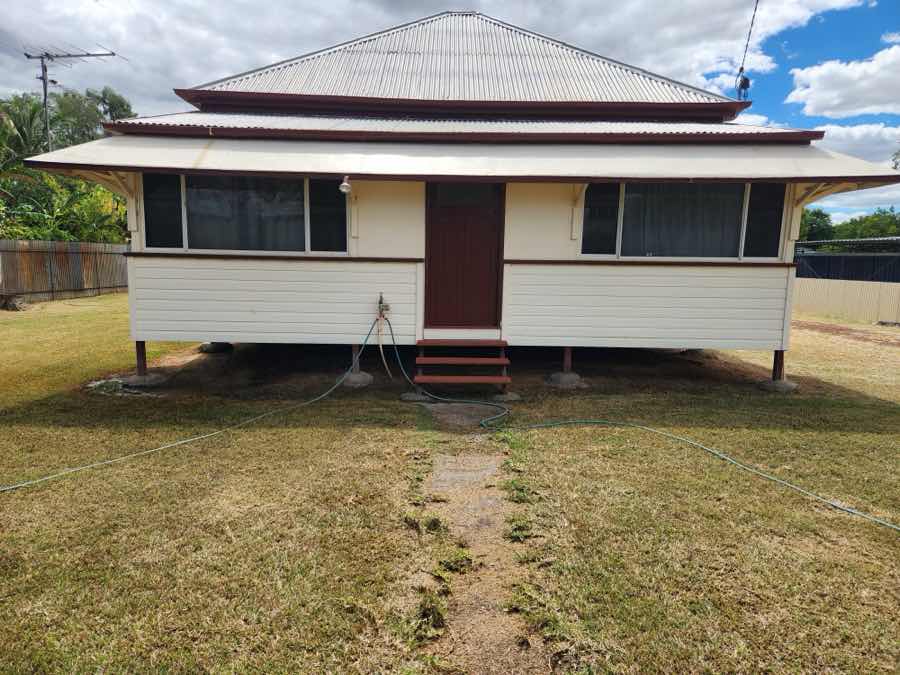
- Check your stumps – Older homes on timber stumps are prime targets for termites. Look for mud leads, hollow-sounding timber, and damaged wood at ground level.
- Seal entry points – Check roof vents, weep holes, gaps around pipes, and the base of walls for entry points rodents or insects could use.
- Clear debris around the home – Woodpiles, garden waste, and old timber stored against the house create perfect shelter for termites and rodents. Move them away.
- Check the roof cavity – Rodents and possums love roof spaces. Signs include droppings, nesting material, and noise at night.
- Treat if necessary – Professional treatment for active infestations is money well spent before a sale. Buyers and their inspectors will find it.
What buyers should look for
As a buyer, a building and pest inspection is non-negotiable – especially for older homes in regional Queensland. Here’s what to keep in mind:
- Always use a licensed inspector
- Request a combined building and pest inspection – they often reveal related issues
- Pay attention to the inspector’s comments on termite activity (past or present), moisture issues, and structural timber
- If termites are found, get a quote for treatment and factor it into your offer
- Ask about existing pest control contracts – some sellers have annual termite treatment agreements in place, which is a positive sign
How pest issues affect property value and negotiations
A property with an active pest infestation or significant past damage will attract lower offers – or buyers may walk away entirely. A clean pest inspection report, on the other hand, builds buyer confidence and removes a common negotiation point.
For sellers, investing in a professional pest treatment before listing is often returned many times over in a smoother sale at a stronger price.
Browse our current listings at davidhardierealestate.com.au/for-sale and ask us about the inspection history of any property you’re interested in.
For expert local advice, contact David Hardie Real Estate on 0427 575 974 or visit our website. We know this country – and we know how to help you make the most of it.