If you live in Central West Queensland, you know the dry season is no joke. The heat builds, the dust rolls in, and your home takes a beating that most coastal Queenslanders never have to think about. Managing your home through the dry season isn’t just about comfort – it’s about protecting your investment and keeping maintenance costs down.
At David Hardie Real Estate, we work with homeowners across Blackall, Tambo, Barcaldine, Charleville and the surrounding region year-round. Home maintenance in Central Queensland has its own set of priorities, and getting ahead of the dry season is one of the smartest things a homeowner can do.
Why the dry season demands attention
Central Queensland’s dry season typically runs from around May through October. During this period, you’re dealing with:
- Extremely low humidity and persistent dust
- High daytime temperatures
- Elevated fire risk in surrounding areas
- UV exposure that damages paintwork, timber, and roofing
- Reduced water availability if you rely on tank water
Getting your home ready before the season hits means fewer expensive repairs and a more comfortable living environment through the hottest months.
Air conditioning: Service it before you need it
Your air conditioner is your most important appliance in a Central Queensland summer and dry season. Don’t wait until it breaks down on a 42-degree day to find out it needs attention.
- Service your system annually – Clean filters, check refrigerant levels, and inspect the outdoor unit for dust and debris buildup
- Clean filters yourself monthly – Dust accumulation in Central QLD is relentless and clogged filters reduce efficiency dramatically
- Check the outdoor unit – Keep vegetation, debris, and dust away from the condenser unit
- Ceiling fans – Check that all ceiling fans are running and reverse them for summer to push cool air down
Dust-proofing your home
Dust in Central Queensland is a way of life, but there are practical steps to reduce how much gets inside your home:
- Check door and window seals – Rubber and foam seals degrade in the heat. Replace any that are cracked or compressed
- Install or check flyscreens – Double as dust barriers when windows are open in the cooler evenings
- Seal gaps around pipes and vents – Common entry points for fine dust and insects
- Doormats front and back – Reduce the amount of dust and dirt tracked inside
Protecting timber floors and joinery
Timber reacts dramatically to the humidity swings between wet and dry seasons in Queensland. Low humidity in the dry season can cause timber floors to shrink and gap, and door frames to contract and stick.
- Apply a quality timber oil or polish to hardwood floors before the dry season
- Check for any movement in floor boards – early repair is far cheaper than replacement
- If doors are sticking or gaps appearing, monitor them through the season before assuming major structural work is needed
Roof and gutters: Pre-dry season check
The end of the wet season is the perfect time for a roof inspection before the dry heat sets in:
- Clear gutters of leaf litter, seed pods, and debris that accumulated over the wet season
- Check for any lifted or cracked roofing sheets – heat expansion and contraction can loosen fasteners
- Inspect roof vents and flashings for gaps that could let in dust, birds, or water during any unseasonal rain
- Check the ceiling cavity if accessible – look for signs of previous water ingress or rodent activity
Water tank maintenance
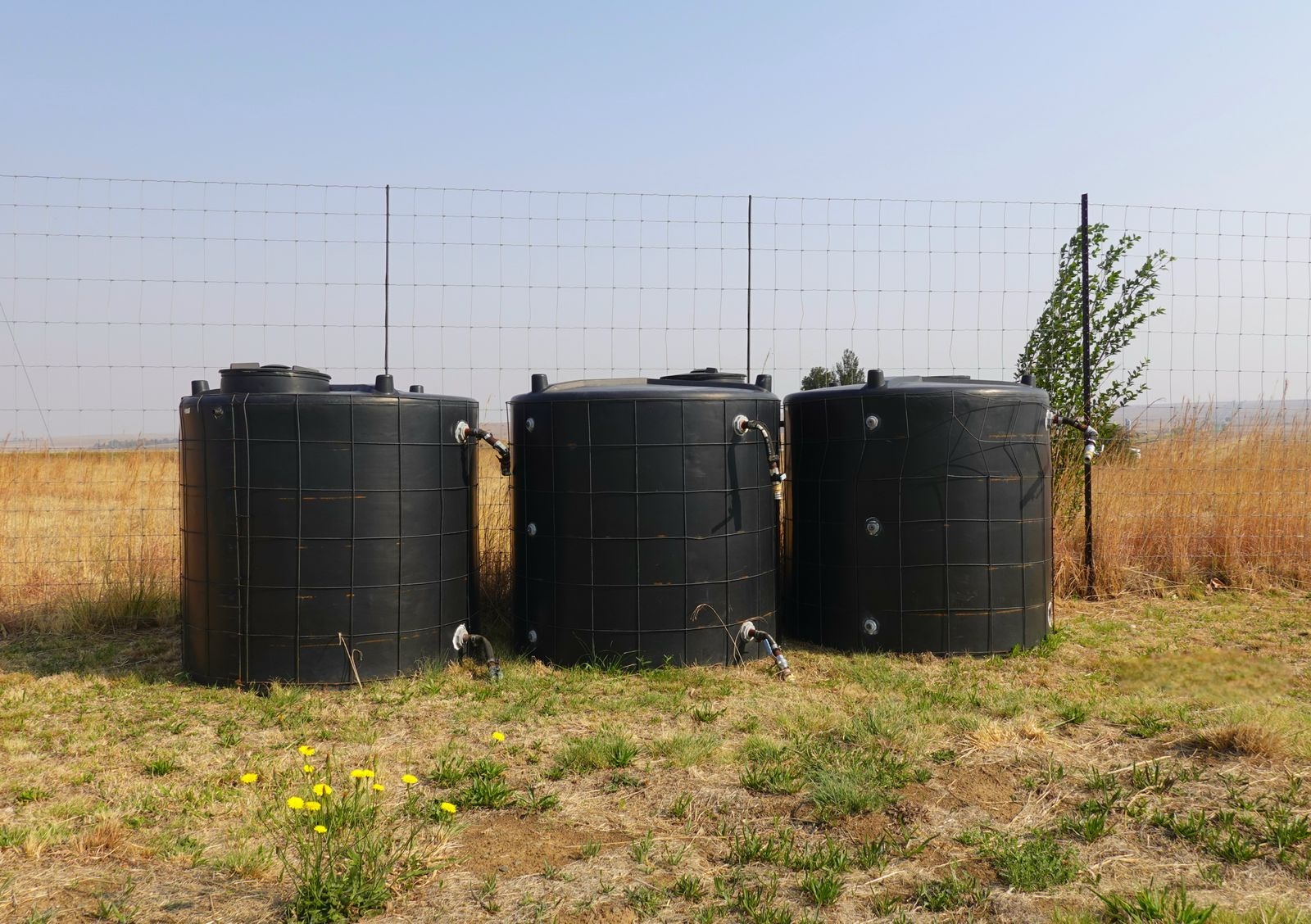
For homes relying on tank water, the dry season means managing what you have carefully. The Queensland Government’s rainwater tank guidelines recommend regular maintenance to keep your water safe and your tank in good condition:
- Check inlet screens and first-flush diverters for blockages
- Inspect tanks for cracks, algae growth, or contamination
- Keep gutters clean to ensure any wet season rain goes into the tank cleanly
- Monitor levels regularly and plan water usage to last through the dry if needed
Fire preparation
Bush fire risk increases significantly in the dry season across Central West Queensland. Basic home preparation includes:
- Keeping grass and vegetation around the home short and well-maintained
- Removing dead vegetation, woodpiles, and flammable materials from against the house
- Checking that garden taps and hoses are functional
- Being aware of local fire bans and burn-off restrictions
The Queensland Rural Fire Service publishes seasonal fire outlooks and preparation guides relevant to your area.
A well-maintained home holds its value
Beyond comfort and safety, regular seasonal maintenance is one of the most effective ways to protect your property’s value. Homes that are clearly well cared-for attract stronger interest from buyers and present better at inspection time.
If you’re thinking about selling in the next year or two, starting a seasonal maintenance routine now is one of the best investments you can make.
For expert local advice, contact David Hardie Real Estate on 0427 575 974 or visit our website. We know this country – and we know how to help you make the most of it.